How to Spot Roof Damage: A Homeowner’s 2026 Inspection Checklist
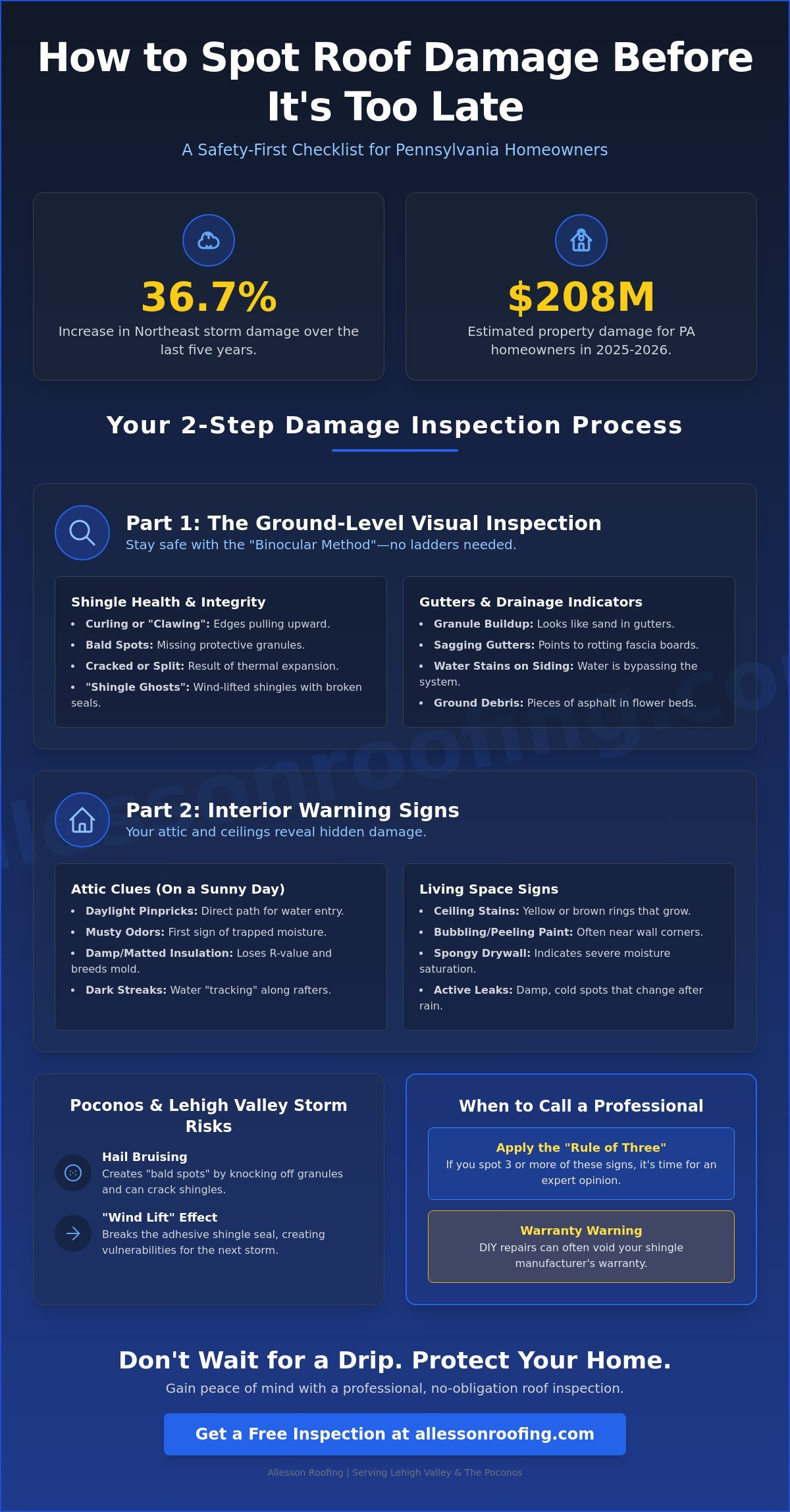
Did you know that storm damage in the Northeast has jumped by 36.7% over the last five years? With Pennsylvania homeowners facing an estimated $208 million in property damage during the 2025-2026 season, it’s natural to feel a bit of anxiety when a heavy storm rolls through the Lehigh Valley or the Poconos. Learning how to spot roof damage before the next clouds gather is the most effective way to protect your home and your budget.
It’s stressful to worry about hidden leaks in the attic or feel pressured by “storm chasers” who show up uninvited after a heavy rain. You deserve to know exactly what’s happening on your rooftop without the confusion of whether a mark is cosmetic or structural. We’ll show you how to identify subtle signs of wear and tear before they turn into costly interior repairs. This article provides a clear, ground-level inspection checklist, explains how the 2026 Pennsylvania building code updates affect your property, and helps you gain the confidence to know when a local professional is actually needed.
Key Takeaways
- Stay safe on the ground by using the “Binocular Method” to scan your roof line for missing shingles or damaged flashing.
- Use your attic as a diagnostic tool by performing a “light check” to find hidden holes before they turn into water damage.
- Learn how to spot roof damage specific to the Poconos and Lehigh Valley, such as hail bruising and the “wind lift” effect common after local storms.
- Apply the “Rule of Three” to know exactly when to call a local expert and why DIY repairs can often void your manufacturer warranty.
The Ground-Level Visual Inspection: A Safety-First Checklist
Your roof inspection starts with your feet firmly on the ground. Many homeowners feel the urge to grab a ladder the moment they suspect a leak, but climbing onto a steep pitch is dangerous and often unnecessary for an initial assessment. Falling from heights is a leading cause of home maintenance injuries; stay safe and keep your ladder in the garage. Instead, grab a pair of binoculars. This is the most effective way to understand how to spot roof damage without putting yourself at risk.
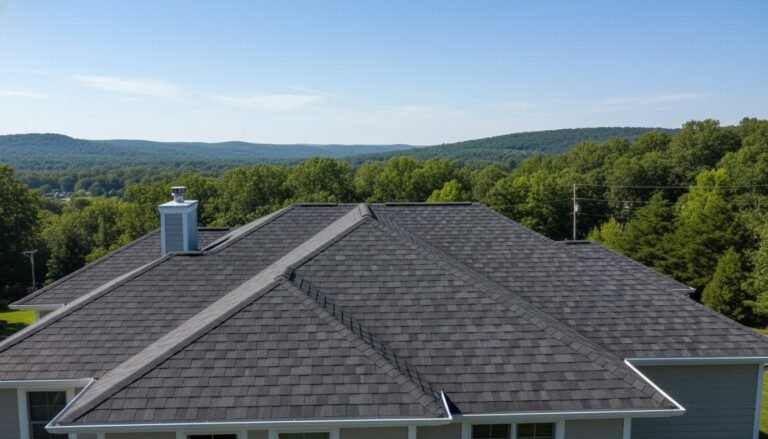
Use the “Binocular Method” by standing at various corners of your yard and scanning the roof in a grid pattern. Look closely at the “horizon line” of your roof. Is the ridge straight and true? Any dipping or sagging in the roof planes could suggest structural issues or moisture-damaged decking underneath. You should also watch for “shingle ghosts.” These are shingles that have been lifted by high winds and settled back into place. While they might look normal at a glance, the adhesive seal is broken, leaving your home vulnerable to the next storm.
While this DIY check is a great first step for maintenance, it is different from the comprehensive scope of a professional home inspection used during real estate transactions. For your seasonal checkup, looking for physical debris is just as important as looking at the shingles themselves. If you find pieces of asphalt or what looks like coarse black sand in your flower beds, your roof is trying to tell you something.
Shingle Health and Surface Integrity
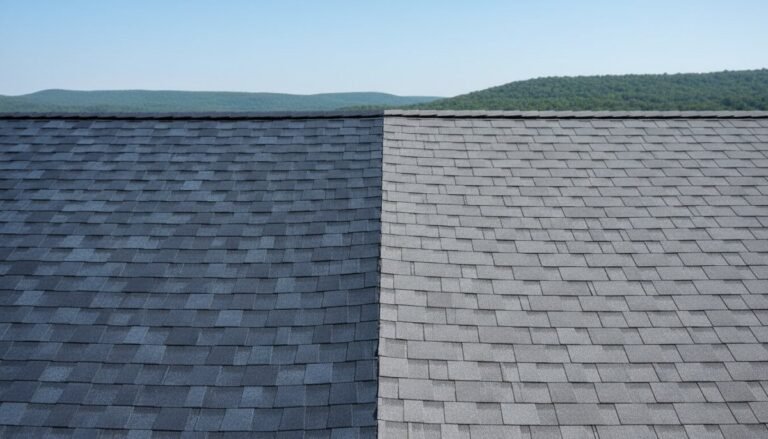
Check the edges of your shingles for “clawing” or curling. This happens when the asphalt backing dries out and shrinks, causing the corners to pull upward. You should also look for bald spots where the protective ceramic granules have washed away. These granules protect the shingles from UV rays; without them, the sun will quickly bake the underlying material until it becomes brittle. Spotting cracked or split shingles is another priority, as these often result from thermal expansion during our shifting Pennsylvania seasons.
Gutters and Drainage Indicators
Your gutters act as a diagnostic tray for your roof’s health. After a heavy rain, check your downspouts and gutter troughs for excessive granule accumulation. If it looks like someone poured a bag of sand into your gutters, your shingles are likely reaching the end of their lifespan. Look for sagging gutters as well. This often indicates that the wood fascia board behind the gutter is rotting due to water seeping behind the drip edge. Finally, check your siding for water “overshoot” marks. These dark streaks suggest that water is bypassing your drainage system entirely because of damaged or misaligned roof edges.
Interior Warning Signs: Catching Damage Before the Drip
While your yard offers a broad view, your attic is the most honest part of your home. It doesn’t hide secrets. If you want to master how to spot roof damage, you need to head upstairs with a flashlight. The best time for this audit is actually on a bright, sunny day. Turn off all the attic lights and look toward the roof peaks. If you see pinpricks of daylight peeking through the boards, you have found a direct path for water to enter. These small gaps might not cause a flood today, but they will eventually rot your rafters.
Don’t ignore a musty smell. That heavy, damp odor is often the first indicator of trapped moisture before a visible stain ever appears. If you notice this scent, check for the difference between active leaks and old water stains. An active leak will feel damp, cold, or even slightly tacky to the touch. Old stains are typically bone-dry and brittle. If a stain is growing or changing color after a storm, the leak is current and requires immediate attention. If you find light peeking through or feel dampness, it’s a good idea to reach out for a professional look at the situation.
Tracking Moisture in the Attic
Look at the underside of your roof deck for dark streaks or “tracking” marks. Water rarely travels in a straight line; it often hits a rafter and runs down several feet before dripping onto your ceiling. Check your insulation for matting or localized dampness. Wet insulation loses its R-value and can harbor mold growth. For a more detailed breakdown of these attic-specific issues, check out our Roof Leak in Attic guide for deep-dive identification.
Ceiling and Wall Discoloration
Inside your living space, look for “yellow rings” on the ceiling. These circular stains often expand slightly after every rainstorm and are a telltale sign of a water stain on ceiling from roof leak that needs to be traced back to its source before it becomes a structural emergency. Pay close attention to the corners where walls meet the ceiling. Bubbling paint or peeling wallpaper in these areas usually points to a failure in the roof’s edge flashing. Finally, monitor any “drywall soft spots.” If the ceiling feels spongy or gives way when you press it, the moisture has already compromised the structural integrity of the material.
Storm-Specific Damage: Poconos and Lehigh Valley Risks
Living in Monroe or Northampton County means our roofs face unique challenges. The 2025-2026 storm season brought an estimated $208 million in property damage across Pennsylvania, highlighting the need for vigilance. Understanding how to spot roof damage after a specific weather event is essential for long-term protection. Hail in the Poconos often leaves “bruises.” These are dark, circular depressions where the shingle’s internal matting has been crushed. While they look small, they destroy the shingle’s ability to shed water and protect your home deck.
In areas like East Stroudsburg, high-velocity winds create a “wind lift” effect. This happens when gusts get underneath the shingle and break the factory-applied adhesive seal. Even if the shingle doesn’t blow off the roof, the seal is gone. This “hidden” damage is often missed by homeowners but is a primary reason for successful insurance claims if caught early. Don’t overlook the oaks and pines common in our region. Overhanging limbs that scrape against the roof act like sandpaper, wearing away the protective surface over time. If a storm has recently passed through your neighborhood, it’s a good idea to schedule a local assessment to catch these issues before they escalate.
Wind and Hail Assessment
Check your roof for shingles that are standing up, also known as “tabs,” rather than lying flat. This is a clear sign the wind has compromised the shingle’s attachment. You should also inspect your metal flashing and chimney caps. Look for small dings or dents that indicate high-impact hail. Because these signs are often subtle, a professional Emergency Roof Repair Poconos assessment is recommended after any high-wind event to ensure your warranty remains intact.
Ice Dam and Winter Wear
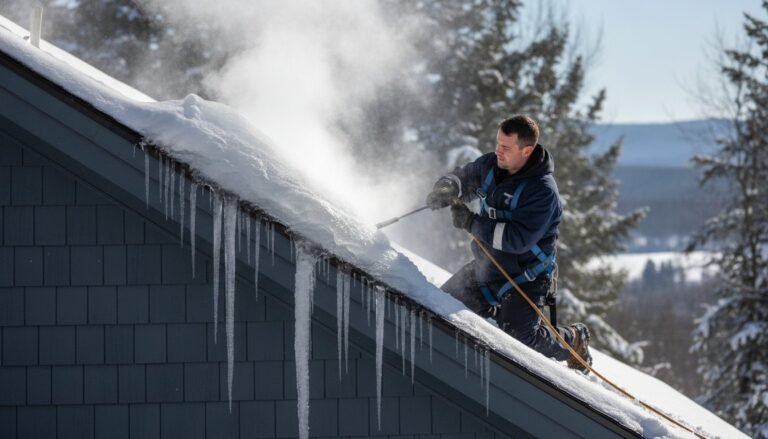
Pennsylvania winters are notoriously hard on roofing materials. Spotting “icicle clusters” is a major warning sign. While they might look pretty, they often indicate heat loss from your attic that creates ice dams. Check the lower edge of the roof for shingles that look pushed up or distorted by ice buildup. You should also watch for gutter “pull-away.” The heavy weight of snow and ice can pull gutters away from the fascia, creating gaps where water can pour directly into your foundation or siding.
The Professional Transition: When to Call Allesson Roofing
Once you’ve completed your ground-level and attic checks, you need a clear decision-making framework. We suggest following the “Rule of Three.” If your walk-through revealed three or more indicators like missing granules, interior stains, or lifted shingles, your home’s integrity is likely compromised. While DIY fixes might seem like a quick solution, they often backfire. Most manufacturers are incredibly strict about installation standards. A simple weekend patch job can void your shingle warranty entirely, leaving you responsible for all future costs.
When you call for a professional assessment, expect a straightforward and transparent process. We don’t believe in high-pressure sales. Our goal is to provide a steady, calm evaluation of your roof’s actual condition. To prepare for a smoother insurance claim, keep a log of your findings. Document the date of the storm and save any photos you took of shingle debris in your yard or flower beds. This evidence is invaluable when working with an adjuster. Learning how to spot roof damage is your first line of defense, but our professional eye ensures that hidden structural issues aren’t ignored.
Repair vs. Replacement Framework
Age is the most significant factor in your decision. If your roof is over 20 years old, localized damage often signals that the entire system is reaching the end of its life. You should also assess the “damage footprint.” If the issues are limited to one small area, a repair might be sufficient. However, if signs of wear are spread across multiple slopes, a full replacement is usually the more cost-effective long-term choice. For those facing a complete project, our guide on Asphalt Shingle Installation PA explains the modern process.
Secondary Systems: Chimneys and Siding
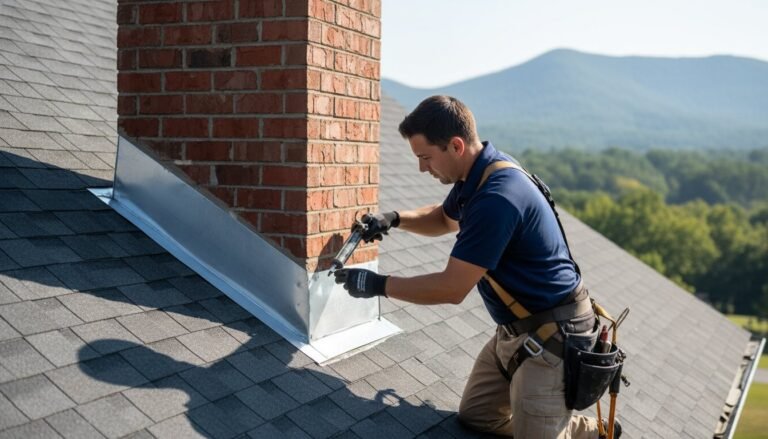
Roofing issues don’t always start with the shingles. Many leaks actually begin at the chimney flashing, where metal seals can pull away or rust over time. You should also check the J-channel where your siding meets the roof. If these intersections aren’t sealed correctly, water can migrate behind your siding and rot your wall studs. If you’ve spotted any of these red flags, Schedule a professional roof inspection with Allesson Roofing to protect your home today.
Protect Your Investment Before the Next Storm
Your roof is the first line of defense against unpredictable Pennsylvania weather. By mastering the basics of how to spot roof damage through ground-level checks and attic audits, you’ve taken a major step toward preventing expensive interior repairs. Remember that subtle signs like granule loss or musty odors often precede major leaks. Staying proactive is the best way to ensure your family stays dry and your property value remains high.
If your inspection revealed the “Rule of Three” or if a recent storm has you feeling uncertain, don’t wait for the next heavy rain. As a locally owned and operated business in the Poconos, we are specialists in asphalt shingle and storm damage restoration. We provide emergency response for East Stroudsburg and the Lehigh Valley to help you navigate the repair process with transparency. Get a Professional Roof Inspection in East Stroudsburg. We’re ready to be your dependable partner in keeping your home safe and sound.
Frequently Asked Questions
Can I spot roof damage from the ground without a ladder?
Yes, you can identify many major issues using binoculars and a simple perimeter walk around your yard. Look for missing shingles, bent flashing, or large amounts of granule debris in your flower beds. While a professional will eventually need to climb up for a full assessment, a ground-level check is the safest way to decide if your home needs attention.
What does hail damage look like on an asphalt shingle roof?
Hail damage typically appears as dark, circular “bruises” or pits where the protective granules have been knocked away. On asphalt shingles, these impact marks often feel soft or spongy to the touch, similar to a bruise on a piece of fruit. You should also check metal vents and chimney caps for small dings that indicate high-impact hail strikes.
Is a small roof leak an emergency that needs immediate repair?
Yes, every leak is an emergency because water damage is progressive and never stays “small” for long. Even a minor drip can saturate your insulation, rot wooden rafters, and encourage mold growth within a matter of days. Addressing a leak immediately is the most effective way to prevent a localized repair from turning into a full roof replacement.
How do I tell the difference between roof moss and actual damage?
Moss is a biological growth that sits on top of shingles, while damage involves the physical breakdown of the roofing material. However, moss itself often leads to structural damage because it traps moisture against the shingle surface and can lift shingle edges during freeze-thaw cycles. If you see green clumps, the underlying shingles are likely being compromised by constant dampness.
Will my insurance cover roof damage if I wait too long to report it?
Most insurance policies have a specific “notice of loss” window, and waiting too long can lead to a claim denial. If you wait until a leak becomes obvious inside the home, the adjuster may claim the damage resulted from neglect rather than a sudden storm event. Understanding how to spot roof damage early is vital for staying within your policy’s reporting timeframe.
What are the first signs that my chimney flashing is leaking?
The first signs often appear as water stains on the ceiling or walls specifically near your fireplace. You might also notice rusted metal at the base of the chimney or cracked sealant where the brick meets the roofline. Because the chimney is a major roof penetration, any gap in the flashing allows water to pour directly into your home’s framing and attic space.