Water Stain on Ceiling from Roof Leak: A Homeowner’s 2026 Guide to Repair
That yellow ring on your living room ceiling isn’t just a cosmetic eyesore; it’s a GPS map leading straight to a vulnerability in your home’s primary defense. Finding a water stain on ceiling from roof leak often sparks immediate anxiety about hidden mold and the potential for a massive repair bill. It’s completely normal to feel overwhelmed when you aren’t sure where the water is coming from or how deep the damage goes. We know our neighbors want to protect their families and investments without being pressured into unnecessary fixes.
This 2026 guide will show you how to trace that drip back to its source and take the exact steps needed to stop the water before it becomes a structural emergency. We’ll walk through identifying the leak, managing the moisture, and restoring your ceiling to its original condition. By acting within the first 24 to 48 hours, you can often prevent mold growth and keep your home safe. Let’s get started on making your home whole again.
Key Takeaways
- Understand the science behind the discoloration; identify how evaporated mineral deposits and wood tannins create those distinct yellow rings on your ceiling.
- Learn the “Flashlight Method” to safely trace a water stain on ceiling from roof leak by spotting rusted nails or frosted “shiners” in your attic.
- Discover why Pennsylvania’s specific climate, from Poconos wind to valley ice dams, creates unique vulnerabilities for local shingle and flat roof systems.
- Master immediate mitigation techniques, including how to safely tarp a section and why you shouldn’t start repairs until attic moisture drops below 15%.
- Find out when a minor cosmetic touch-up is enough and when the damage requires professional residential roofing services to prevent structural failure.
Deciphering the Water Stain on Your Ceiling
Seeing a dark discoloration on your drywall is a frustrating discovery for any homeowner. But what exactly is that mark? A water stain on ceiling from roof leak is essentially a collection of evaporated mineral deposits and debris left behind once moisture dries. It isn’t just dirty water sitting on the surface. It’s the physical evidence of a journey the water took through your home’s structural components.
You might wonder why these stains appear in shades of yellow, rust, or dark brown. This happens because of surfactant leaching, where water pulls ingredients out of your ceiling paint, or wood tannins that bleed from your attic’s rafters. To determine if the issue is ongoing, try the pencil test. Lightly trace the outer edge of the damp spot. If the stain expands beyond that line after the next rainstorm, the leak is active and requires immediate attention. Addressing water damage within the first 24 to 48 hours is critical because mold can begin to colonize damp materials in that short window.
The Anatomy of a Ceiling Leak
Water follows the path of least resistance, which is rarely a straight line. It might enter through a damaged shingle, travel down a sloped rafter, and soak into a patch of insulation several feet away before finally saturating your drywall. This happens because of capillary action, which is the ability of water to flow into narrow spaces, like the gap between roofing felt and plywood, even against the force of gravity. Because of this, the water stain on ceiling from roof leak you see in your bedroom might actually be caused by a puncture on the opposite side of the roof ridge.
Immediate Steps to Take When You Spot a Stain
If the ceiling is bulging or dripping, you must relieve the pressure to prevent a larger section of drywall from collapsing. Follow these steps to protect your home:
- The Bucket and Nail Trick: Place a large container under the drip. Use a long nail or screwdriver to puncture a small hole in the center of the sagging area. This directs the trapped water into the bucket and stops it from spreading further into the ceiling joists.
- Clear the Room: Move furniture, electronics, and area rugs to a dry part of the house. Gray water from a roof can contain bacteria and debris that ruin delicate fabrics.
- Document Everything: Take clear photos of the stain and the bulging drywall. Having a visual record is essential for insurance purposes and helps your repair team understand the severity of the leak.
How to Trace a Ceiling Stain to a Specific Roof Leak
Finding the exact source of a water stain on ceiling from roof leak is often a game of detective work. You can’t just look at the spot in your living room and assume the hole is directly above it. Because water follows gravity, it typically enters at a higher point on the roof and runs down the rafters before dripping onto your insulation. To find the culprit, you’ll need to head into the attic with a bright light and a patient eye.
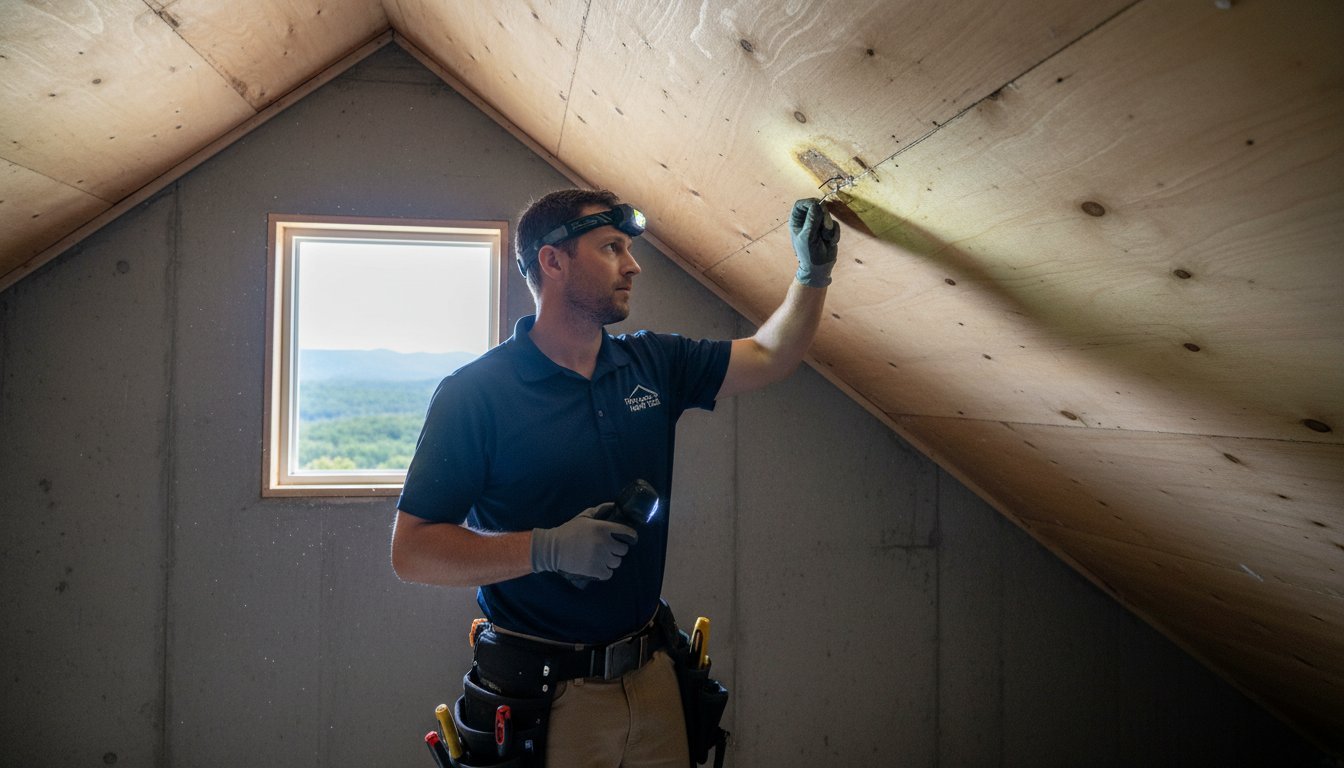
Safety is your first priority during this process. Never step on the insulation or the drywall between the wood beams. You will fall through the ceiling. Only walk on the sturdy wooden joists or use a piece of plywood as a temporary walkway. Once you’re safely positioned, use the Flashlight Method. Look for “shiners,” which are nails that missed the rafter and stick through the roof deck. In cold weather, these nails might have frost on them. In warmer months, look for orange rust or water droplets clinging to the metal tips. These are clear indicators of moisture intrusion.
Always remember the “Uphill Rule” when tracking moisture. If you see a wet spot on a rafter, follow that board upward toward the roof peak. Water rarely moves horizontally across a ceiling unless it hits a flat barrier. If you’re struggling to find the entry point, our team can provide a professional assessment to pinpoint the failure before it spreads.
Inspecting the Attic During a Rainstorm
Watching your attic during a heavy downpour is the most effective way to see the “path of the drip.” It allows you to see exactly where the water is moving in real time. You can also distinguish between a new problem and a long-term issue by checking the wood. Wet, soggy insulation usually points to an acute leak from a recent storm. Dark, soft, or rotted wood suggests a chronic leak that has been slowly damaging your home for months. For a deeper dive into these patterns, check out our guide on Roof Leak in Attic: How to Identify and Stop Damage in 2026.
Common Entry Points for Poconos Homes
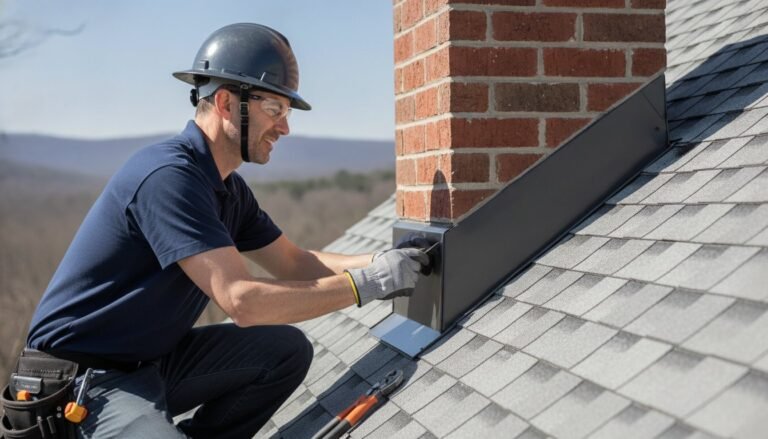
In the Poconos, our homes face unique challenges from high winds and heavy snow. High-altitude ridge lines often see shingles that are cracked, curled, or stripped of their protective granules. Another major “hot zone” is where your masonry meets the roof. If the metal seals are loose or corroded, you likely need a professional chimney flashing repair service. Proper maintenance at these junctions is one of the best ways to control moisture in your home and prevent structural decay.

Common Roof Vulnerabilities in Pennsylvania
Pennsylvania weather is notoriously tough on residential roofing. While many guides offer generic advice, homeowners in the Lehigh Valley and the Poconos face specific environmental stressors that lead to water intrusion. One of the most common culprits is the ice dam effect. During our cold winters, heat escaping from your attic melts snow on the roof. This water runs down to the cold eaves and refreezes, creating a block of ice that forces liquid water back up under your shingles. This is why the 2026 Pennsylvania building code updates emphasize stricter requirements for ice barriers. Without these protections, trapped water eventually finds a way through the decking, resulting in a frustrating water stain on ceiling from roof leak.
High-altitude homes along the Poconos ridge lines face another challenge: wind uplift. Sustained gusts can catch the edges of shingles, breaking the sealant strip and allowing rain to blow directly underneath. You should also watch for overhanging tree limbs. When branches rub against your roof, they scuff away the protective granules that shield asphalt from UV rays. This premature wear leaves the fiberglass mat exposed and vulnerable. Additionally, while we don’t provide cleaning services, it’s vital to ensure your gutters are clear. Clogged channels cause water to “back up” into the soffits and fascia, which can rot your roof perimeter over time.
Asphalt Shingle Lifespan and Failure
The constant freeze-thaw cycle in Pennsylvania causes roofing materials to expand and contract rapidly. This leads to “thermal shock,” which manifests as small cracks in older asphalt shingles. If your roof is approaching the 15 to 20-year mark, these cracks become entry points for moisture. You can use our how to spot roof damage checklist to evaluate your shingles after a major storm. Identifying these issues early can save you from a full ceiling replacement later. If heavy snowfall has recently stressed your roof, our guide to roof repair from heavy snow Poconos winters demand can help you assess whether the damage goes beyond surface-level shingle wear.
Chimney and Vent Pipe Boot Failures
Small components often cause the biggest headaches. Rubber pipe boots, which seal the vents sticking out of your roof, tend to dry rot after about 10 years in the PA sun. Once the rubber cracks, water flows directly down the pipe and onto your ceiling. Similarly, chimney flashing is a frequent failure point. Many people try a “caulk-only” repair, but this is a temporary bandage that eventually fails. If you want to know how to fix water stains on the ceiling permanently, the answer usually involves a professional flashing replacement. If you’ve spotted a new mark in your home, contact us for a professional roof leak repair before the moisture reaches your rafters.
Taking Action: From Emergency Repairs to Ceiling Restoration
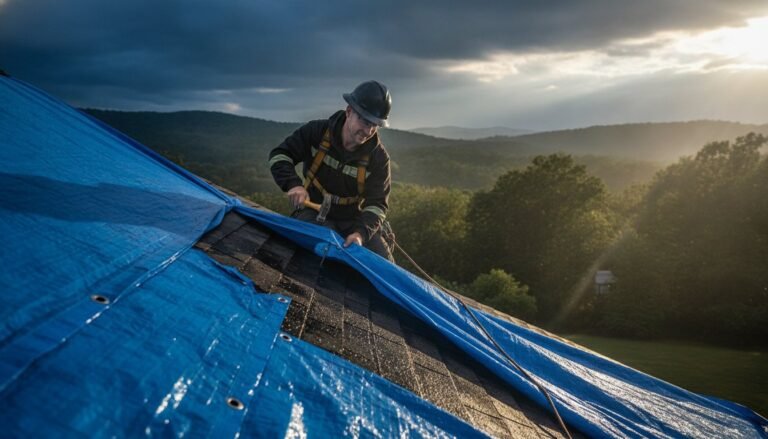
Once you’ve identified a water stain on ceiling from roof leak, your priority shifts from investigation to mitigation. If the rain is still falling, you may need to apply a temporary tarp over the suspected entry point on your roof. Secure the tarp with weighted sandbags or wooden strips to prevent wind from catching the edges. This stop-gap measure protects your attic from taking on more weight while you wait for a professional repair team to arrive. Don’t attempt to climb onto a wet or steep roof yourself; stay safe and wait for the right conditions.
Patience is your best tool during the “Dry-Out” phase. You might be tempted to patch the drywall immediately, but you must wait until the wood and insulation reach a moisture level of 15% or less. Trapping moisture behind a fresh layer of paint is a recipe for wood rot and structural decay. We use professional moisture meters to ensure the area is truly dry before recommending any cosmetic work. When Allesson Roofing handles your repair, we don’t just look at the visible hole. We perform a thorough inspection of the surrounding 10 feet to catch secondary vulnerabilities that might cause future issues.
Restoring the ceiling involves a specific three-step process to ensure the mark stays gone. First, clean the area with a mild bleach solution to kill any surface spores. Second, apply a high-quality, oil-based stain-blocking primer. This is the only way to prevent those brown tannins from bleeding through your new finish. Finally, apply a matching ceiling paint to blend the repair with the rest of the room.
When to Call an Emergency Roofing Contractor
It’s important to distinguish between a minor cosmetic blemish and a structural emergency. If you notice the ceiling is sagging, soft to the touch, or if multiple stains appear simultaneously, you’re likely facing a systemic failure of your asphalt shingle system. These situations require immediate intervention to prevent a partial ceiling collapse. For homeowners in Monroe or Pike County, our emergency roof repair Poconos guide provides a clear roadmap for your 24/7 response options. If the damage coincides with a heavy snowfall event, our dedicated resource on roof repair from heavy snow in the Poconos outlines the specific warning signs and winter repair options available to you.
The Final Fix: Preventing Recurrence
Simply painting over a water stain on ceiling from roof leak is a dangerous mistake. It hides the symptom while the “disease” continues to eat away at your rafters and creates a breeding ground for hidden mold. A professional repair is also vital for your insurance claims; most carriers require proof that the source of the damage was addressed by a qualified contractor. For Stroudsburg-area homeowners specifically, our guide to roof leak repair in Stroudsburg, PA covers the exact process and 2026 code requirements for your region. Don’t leave your home’s safety to chance. Contact Allesson Roofing for a professional leak inspection today and let us help you restore your peace of mind.
Secure Your Home Against Future Leaks
Identifying a water stain on ceiling from roof leak is the first step toward reclaiming your home’s safety and value. You now have the practical tools to trace the path of the drip and understand why our unique Pennsylvania weather patterns cause these common failures. Acting quickly within the first 48 hours is your best defense against mold growth and expensive structural decay. Whether you’re dealing with a dry-rotted pipe boot or the aftermath of a Poconos ridge windstorm, you don’t have to manage these repairs alone.
As locally owned East Stroudsburg experts and emergency storm damage restoration specialists, we understand the specific climate challenges your roof faces every season. We take pride in offering steady, reliable guidance to our neighbors throughout the region. We’re ready to help you move from the anxiety of a ceiling stain to the peace of mind that comes with a professional fix. If you’re ready to stop the drip for good, Get a Professional Leak Inspection from Allesson Roofing today. We look forward to helping you keep your home dry and secure for years to come.
Frequently Asked Questions
Is a water stain on the ceiling always a roof leak?
No, a ceiling stain can also be caused by leaking plumbing pipes, HVAC condensation, or even high humidity in an attic with poor ventilation. If the spot appears or grows specifically after a heavy rainstorm, it is almost certainly a roofing issue. It is best to have a professional examine the area to rule out internal pipe failures before starting any major roof work.
Can I just paint over a water stain on my ceiling?
You should never simply paint over a stain without first identifying and fixing the moisture source. If the leak is still active, the water will eventually bubble the new paint and cause the drywall to sag or collapse. Even if the leak is fixed, you must use an oil-based, stain-blocking primer. Standard latex paint won’t hide the mineral deposits, and the yellow ring will bleed through within days.
How much does it cost to fix a ceiling water stain in Pennsylvania?
According to 2026 industry data for Pennsylvania, minor ceiling repairs for a small stain typically range from $300 to $800. If the damage is moderate and requires replacing a section of drywall or mold treatment, costs can rise between $800 and $2,500. These figures only cover the interior ceiling restoration and do not include the cost of the separate roof repair needed to stop the water intrusion.
How do I tell if a roof leak is active or old?
The most reliable way to tell if a water stain on ceiling from roof leak is active is to use a moisture meter or the pencil test. Lightly trace the edge of the stain with a pencil and check it after the next rain. If the discoloration expands beyond your mark, the leak is active. If the area feels dry, brittle, and doesn’t grow, it might be an old stain from a previous repair.
What happens if I ignore a small water stain on my ceiling?
Ignoring a small stain can lead to structural rot, ruined attic insulation, and eventual drywall failure. Small leaks rarely stay small; they often indicate a larger problem with your shingles or flashing that will worsen over time. Waiting to address the issue often results in much higher repair bills as the water damages your home’s wooden framework and electrical systems.
Can a roof leak cause mold in my ceiling?
Yes, mold can begin to grow within 24 to 48 hours of water exposure. A water stain on ceiling from roof leak provides the perfect damp, dark environment for mold spores to thrive in your insulation and on the backside of your drywall. Professional mold remediation can add significantly to your total costs, which is why acting within the first two days of spotting a leak is so critical.