How to Maintain an Asphalt Roof: The Complete Homeowner’s Guide for 2026
What if the secret to making your shingles last 25 years instead of 15 has nothing to do with the asphalt itself? Most Pennsylvania homeowners expect their roof to just work, yet our harsh winters and humid summers often create a lot of unnecessary stress. You might feel worried about hidden leaks in the attic or wonder if that green growth on your shingles is harmless algae or destructive moss. Understanding how to maintain an asphalt roof is about more than just looking at the surface; it is about protecting your home from the ground up.
You can secure your investment and significantly extend your roof’s lifespan by following a proactive, local strategy. This guide provides a clear seasonal checklist for 2026, explains the difference between DIY care and professional needs, and shows you how to lower your long-term repair costs. We will walk you through everything from attic health to storm readiness so you can feel confident in the strength of your home through every season.
Key Takeaways
- Learn why bi-annual inspections in the Spring and Fall are essential for catching curling shingles before they lead to costly interior leaks.
- Identify the specific differences between moss, lichen, and algae to ensure you use the right treatment for your Pennsylvania home.
- Understand how proper attic ventilation protects the underside of your roof and prevents shingles from baking in the summer heat.
- Follow a clear seasonal checklist on how to maintain an asphalt roof so you know exactly when to call a professional for storm damage or repairs.
The Foundation of Maintenance: Visual Inspections and Debris Removal
Pennsylvania homeowners deal with everything from heavy snow loads to high-humidity summers. Because of these extremes, bi-annual inspections in the Spring and Fall are non-negotiable. Checking your roof twice a year allows you to catch minor issues before they turn into major leaks during a winter storm. It’s much easier to fix a small problem in October than it is to deal with an emergency repair in the middle of a January freeze.
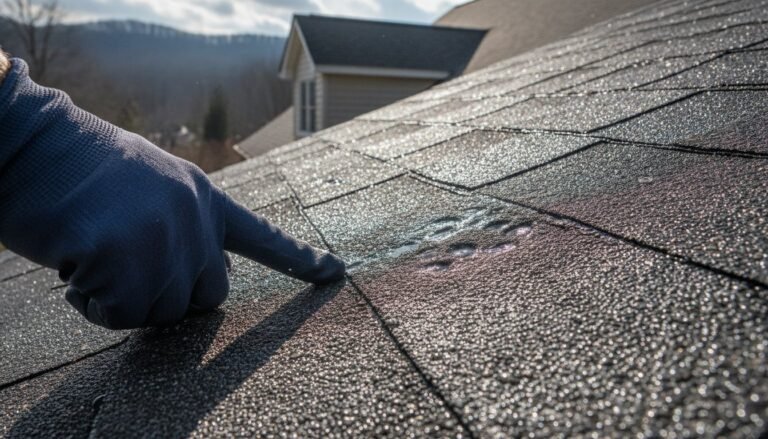
You don’t need to climb a high ladder to understand asphalt shingle basics or check the health of your home. Grab a pair of binoculars and stand in your yard. This “ground-up” approach is the safest way to learn how to maintain an asphalt roof without risking a fall. Look for “balding” areas where the protective granules have worn away; these often look like dark or shiny patches on the shingles. If you see a lot of these granules in your downspouts, your roof is likely nearing the end of its life. Knowing how to distinguish normal wear from the critical signs you need a new roof can save you from costly water damage down the road.
How to Safely Conduct a Visual Roof Audit
While you have the binoculars out, scan for shingles that look lifted or curled at the edges. Wind can often pull at the edges of your roof, loosening nails or damaging the metal drip edge. Check the perimeter for loose fascia boards or gaps where the roof meets the siding. If you see shingles that appear to be popping up, it’s usually a sign of a loose nail underneath that needs attention before the next windstorm. These small gaps are exactly where water likes to hide.
Clearing Debris to Prevent Moisture Traps
Debris is a silent enemy of roofing materials. Leaf piles and pine needles act like sponges, holding moisture against your shingles and leading to localized rot. Pay close attention to “hot spots” like roof valleys where different slopes meet. These areas naturally collect organic matter. It’s also vital to keep your chimney flashing clear of debris. When pine needles sit against metal flashing, they trap water and accelerate corrosion, which is a leading cause of attic leaks. Use a soft-bristled broom or a leaf blower from a safe distance to clear these valleys without scrubbing away the protective shingle granules.
Remember that your gutters and shingles work as a single system. If gutters are clogged, water backs up under the first row of shingles. This creates a cycle of moisture damage that can rot your roof deck from the edge inward. Keeping the flow clear ensures your maintenance efforts actually protect the whole structure.
Managing Environmental Threats: Trees, Moss, and Algae
Trees provide beautiful shade for your yard, but they can be a significant threat to your roof’s integrity. Overhanging branches act as “squirrel highways,” giving pests easy access to your attic vents. Even worse, these branches can physically abrade your shingles during windy days. This constant rubbing scrapes away the protective granules you checked for during your visual inspection. An overhanging canopy creates a persistent microclimate of shade and moisture that prevents your roof from drying out after a typical Pennsylvania rainstorm.
Tree Trimming for Roof Protection
Maintain a clear zone of at least 6 to 10 feet between any tree branches and your roof surface. This distance keeps squirrels at bay and ensures that falling limbs won’t cause immediate damage during a storm. If you notice heavy shade covering your north-facing roof slopes, you are likely seeing the perfect environment for moss. Trimming back these limbs increases sunlight and airflow, which are the most natural ways to keep your shingles dry and healthy.
Addressing Moss and Algae Safely
Do you see dark, vertical streaks on your roof? These black streaks are actually a type of hardy algae that feeds on the limestone filler used in modern architectural shingles. While algae is mostly an aesthetic issue, moss and lichen are more dangerous. Moss roots can actually lift the edges of your shingles, allowing water to seep underneath. If you need to clean these areas, never use a power washer. High-pressure water is the fastest way to destroy your asphalt shingles by stripping away years of life in minutes.
Instead of pressure, use a gentle 50/50 mix of water and oxygen bleach. This solution kills the organic growth without damaging the shingle surface or killing your landscaping. For long-term prevention, consider having a professional install zinc or copper strips near the roof peak. When it rains, these metals release ions that naturally inhibit moss and algae growth for years. If you’re unsure about the state of your shingles after a heavy moss infestation, it’s a good idea to reach out to a local expert for a professional evaluation. Learning how to maintain an asphalt roof means knowing which threats are harmless and which ones require a steady, professional hand.

Attic Health: Ventilation and Ice Dam Prevention
Many homeowners focus only on what they can see from the yard, but the underside of your roof deck is just as critical as the shingles on top. During humid East Stroudsburg summers, poor ventilation causes heat to build up to extreme temperatures in your attic. This trapped heat effectively “bakes” your shingles from the inside out, causing the asphalt to become brittle and lose its protective oils prematurely. If you want to know how to maintain an asphalt roof, you must start by ensuring your attic can breathe.
You can identify ventilation failure by looking for specific warning signs inside your attic. Check for rusty nails sticking through the roof deck or dark mold spots forming on the rafters. These are clear indicators that moist air is trapped and condensing against the wood. This trapped humidity is a silent killer for roofing materials and can lead to structural rot if left unaddressed. Consistent airflow is your best defense against these hidden threats.
Balancing Airflow with Soffit and Ridge Vents
A healthy roof relies on a continuous cycle of air. Cool air should enter through the soffit vents at the eaves and exit through the ridge vent at the peak. Check your attic to ensure that insulation isn’t packed so tightly that it blocks the intake from your soffits. Keeping the roof deck at a temperature close to the outdoor air is the most effective way to maximize your asphalt shingle lifespan.
Preventing Winter Damage in the Poconos
Ice dams are a significant threat during Poconos winters. An ice dam is a ridge of ice that forms at the edge of a roof and prevents melting snow from draining off. This occurs when heat escaping from your home melts the snow on the upper roof, which then refreezes when it reaches the cold eaves. The resulting pool of standing water eventually forces its way under the shingles and into your home’s interior walls.
To prevent this cycle, focus on air-sealing your attic floor to keep your home’s heat out of the roof space. After a heavy storm, you can safely use a roof rake to remove the first few feet of snow from the eaves while standing on the ground. This simple action reduces the fuel for ice dam formation and protects your shingles from water backup. If you’ve noticed recurring ice dams or see signs of moisture in your attic, you should request a professional ventilation audit to secure your home’s foundation.
When to Call a Pro and Your Seasonal Checklist
Understanding how to maintain an asphalt roof is a balance between your own watchful eye and knowing when an expert needs to step in. At Allesson Roofing, our “Healthy Roof” philosophy is built on the idea that a roof is a long-term partnership between the homeowner and the local environment. We believe in steady, calm assurance rather than high-pressure sales. By keeping a consistent schedule, you can catch minor issues before they require a full replacement. Professional inspections also serve a practical purpose beyond finding leaks; they provide the documentation many manufacturers require to keep your material warranty valid.
Identifying Major Roofing Red Flags
While binoculars can help you spot minor granule loss, some situations demand immediate professional attention. If you notice a sagging roofline or significant water stains appearing on your ceilings, these are signs of structural stress or active leaks. After a major Poconos wind storm, you might see large sections of shingles on the lawn. This often indicates a systemic failure of the adhesive strips or fasteners. In these cases, you should seek emergency roof repair to prevent water from reaching your home’s interior framing. If you are seeing multiple warning signals at once, reviewing a comprehensive checklist of signs you need a new roof can help you determine whether repair or full replacement is the right path forward.
The Seasonal Maintenance Checklist
Consistency is the key to longevity. Follow this timeline to keep your home protected throughout the year:
- Spring: Conduct a ground-level audit for winter damage. Clear any debris that settled in the valleys and check that your gutters are flowing freely away from the foundation.
- Summer: Inspect the north-facing slopes for black algae streaks. Check your attic temperatures on a hot day to ensure your ventilation system is exhausting heat correctly.
- Fall: Trim back tree branches to maintain that 6-to-10-foot clearance. Ensure all organic matter is removed from the roof surface before the first snow traps it against your shingles.
- Winter: Monitor snow accumulation after heavy Poconos storms. Watch the eaves for the first signs of ice damming and use a roof rake if the load becomes excessive.
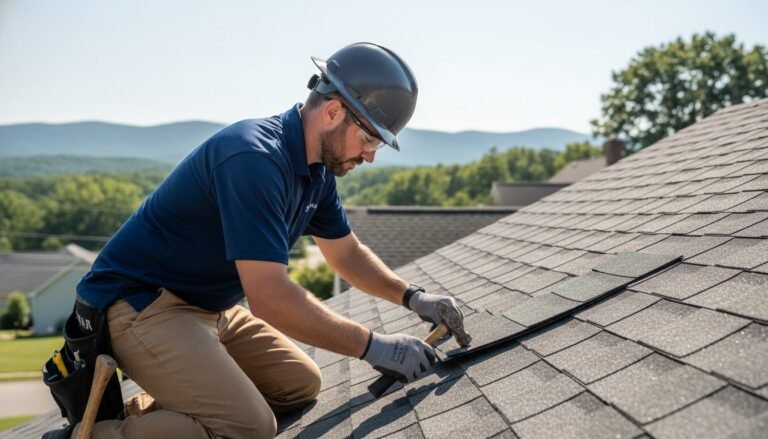
Many homeowners are tempted to try a quick DIY shingle patch when they see a small gap. However, the risk of a poor seal often outweighs the savings. Finding the right asphalt shingle colors is the least of your worries; the real challenge is ensuring the new shingles integrate with the existing water-shedding pattern. A professional knows how to maintain an asphalt roof by treating the system as a whole, ensuring your home stays dry for decades to come.
Securing Your Home for the Seasons Ahead
Your roof is the primary shield protecting your family from unpredictable Pennsylvania weather. We have explored the essential steps of how to maintain an asphalt roof, highlighting that consistency is far more effective than emergency repairs. From balancing your attic ventilation to clearing debris from your chimney flashing, these small actions build a foundation of long-term reliability for your home. Staying proactive today means you won’t have to worry about hidden leaks when the next big Poconos snowstorm arrives.
Allesson Roofing is a local, family-owned authority based in East Stroudsburg. We have spent years serving the Poconos and Lehigh Valley, specializing in storm damage restoration and residential care. We pride ourselves on being a dependable partner for our neighbors, offering transparent advice without high-pressure sales tactics. If you want the peace of mind that comes with a steady, professional evaluation, we’re here to help. Schedule a Professional Roof Inspection with Allesson Roofing Today. We are ready to work together to keep your roof strong and your home dry for many years to come.
Frequently Asked Questions
How often should I clean the moss off my asphalt roof?
You should address moss as soon as you see it, but a focused cleaning every two to three years is usually enough for most Pennsylvania homes. Properties with heavy tree cover might need more frequent attention. Leaving moss to grow allows its roots to lift shingle edges and trap moisture against the roof deck. Always use a gentle oxygen bleach solution rather than high pressure to protect the shingles.
Can I walk on my asphalt shingle roof to clean it?
It’s best to avoid walking on your roof whenever possible to prevent accidental damage and ensure your personal safety. Foot traffic can easily dislodge the protective granules, especially on very hot days when the asphalt is soft. Most debris removal and light cleaning can be handled safely from a sturdy ladder or by using a telescopic pole while standing on the ground.
Is it normal for granules to be in my gutters?
A small amount of granule loss is expected, particularly in the first year after a new installation or following a severe Poconos hail storm. However, seeing large piles of granules that look like coarse sand is a sign of “balding.” This indicates that the shingles are losing their UV protection. Monitoring these levels is a vital part of learning how to maintain an asphalt roof effectively.
How do I know if my attic ventilation is sufficient?
Your ventilation is likely insufficient if your attic feels significantly hotter than the outdoor temperature during a humid East Stroudsburg summer. Other warning signs include rusty nails in the attic or a sudden spike in your cooling bills. If the air can’t flow from the soffits to the ridge vent, the trapped heat will bake your shingles from the inside out and reduce their lifespan.
What is the best way to remove snow from an asphalt roof?
The safest method is using a roof rake while standing firmly on the ground. Clear the first few feet of snow from the eaves to prevent ice dams from forming during the freeze-thaw cycle. Never use a metal shovel or a snowblower on your shingles. These tools can easily gouge the asphalt and create immediate leak points that are difficult to repair in the middle of winter.
Does roof maintenance really extend the manufacturer’s warranty?
Yes, regular maintenance is often a specific requirement to keep your manufacturer’s warranty in good standing. Most warranties cover material defects but exclude damage caused by homeowner neglect, such as allowing moss infestations or ignoring clogged gutters. Keeping a log of how to maintain an asphalt roof provides the documentation you need if you ever have to file a formal warranty claim for a material failure. Understanding the actual asphalt shingle lifespan in Pennsylvania’s climate can also help you set realistic expectations and plan for the future before a warranty issue ever arises.