Architectural Shingles vs. 3-Tab: Which Is Best for Your Pennsylvania Home?
Choosing the cheapest roofing material today could actually cost you the price of two separate roofs over the next twenty years. It’s a common concern for homeowners in the Poconos who want to protect their property without overspending on the wrong materials. When comparing architectural shingles vs 3-tab, you likely want a roof that survives a harsh Pennsylvania winter and boosts your home’s value without getting lost in technical talk. Is the extra cost of a premium shingle actually worth it for your specific home? We understand that a roof is a significant investment, and you need a partner who values transparency over high pressure sales.
This guide breaks down the critical differences to help you find the best fit for your budget and your peace of mind. You’ll learn how these materials compare in durability, maintenance costs, and wind resistance. We also look at how the 2021 International Residential Code updates in Pennsylvania affect your choice, specifically regarding mandatory ice barriers and wind ratings. By the end, you’ll know exactly which shingle provides the 25+ year protection your home deserves and which one might leave you vulnerable to the next big storm.
Key Takeaways
- Understand the physical differences between single-layer 3-tab and multi-layered architectural shingles to see how they handle heavy Poconos snow.
- Compare the wind resistance of architectural shingles vs 3-tab to ensure your roof stays intact during Pennsylvania’s seasonal storms.
- Discover how dimensional shadow lines and textured depth can transform your home’s appearance and increase its market value.
- Learn why the higher upfront material cost for architectural shingles often provides better long-term financial value for local homeowners.
- Identify which roofing choice is best for your specific property based on local weather patterns and your expected length of homeownership.
Understanding the Basics: What Are Architectural and 3-Tab Shingles?
For generations, Pennsylvania homes relied almost exclusively on 3-tab shingles. If you walk through an older neighborhood in Stroudsburg or Scranton, you will see these flat, uniform roofs everywhere. They were the budget-friendly standard for decades because they were simple to manufacture and easy to install. However, the industry has shifted significantly over the last few years. Most modern installations now utilize fiberglass backing rather than the old-fashioned organic mats made of paper or wood fibers. This change improved fire resistance and durability, setting the stage for the rise of high-performance materials.
When homeowners compare architectural shingles vs 3-tab, they often notice the visual difference first. You can find more details for Understanding Architectural and 3-Tab Shingles and their development over time. While both use asphalt and granules, their physical structure determines how they will protect your home during a Poconos winter. Understanding the physical differences in architectural shingles vs 3-tab construction is the first step in making a smart investment for your property.
This transition to fiberglass in the late 20th century was a game changer for the Northeast. Older organic shingles would often soak up moisture and rot, but fiberglass doesn’t absorb water. It stays stable through the freeze-thaw cycles we see in Pennsylvania, which prevents the material from becoming brittle and cracking after just a few seasons. This stability is why modern shingles last so much longer than the products your parents might have used.
The Anatomy of a 3-Tab Shingle
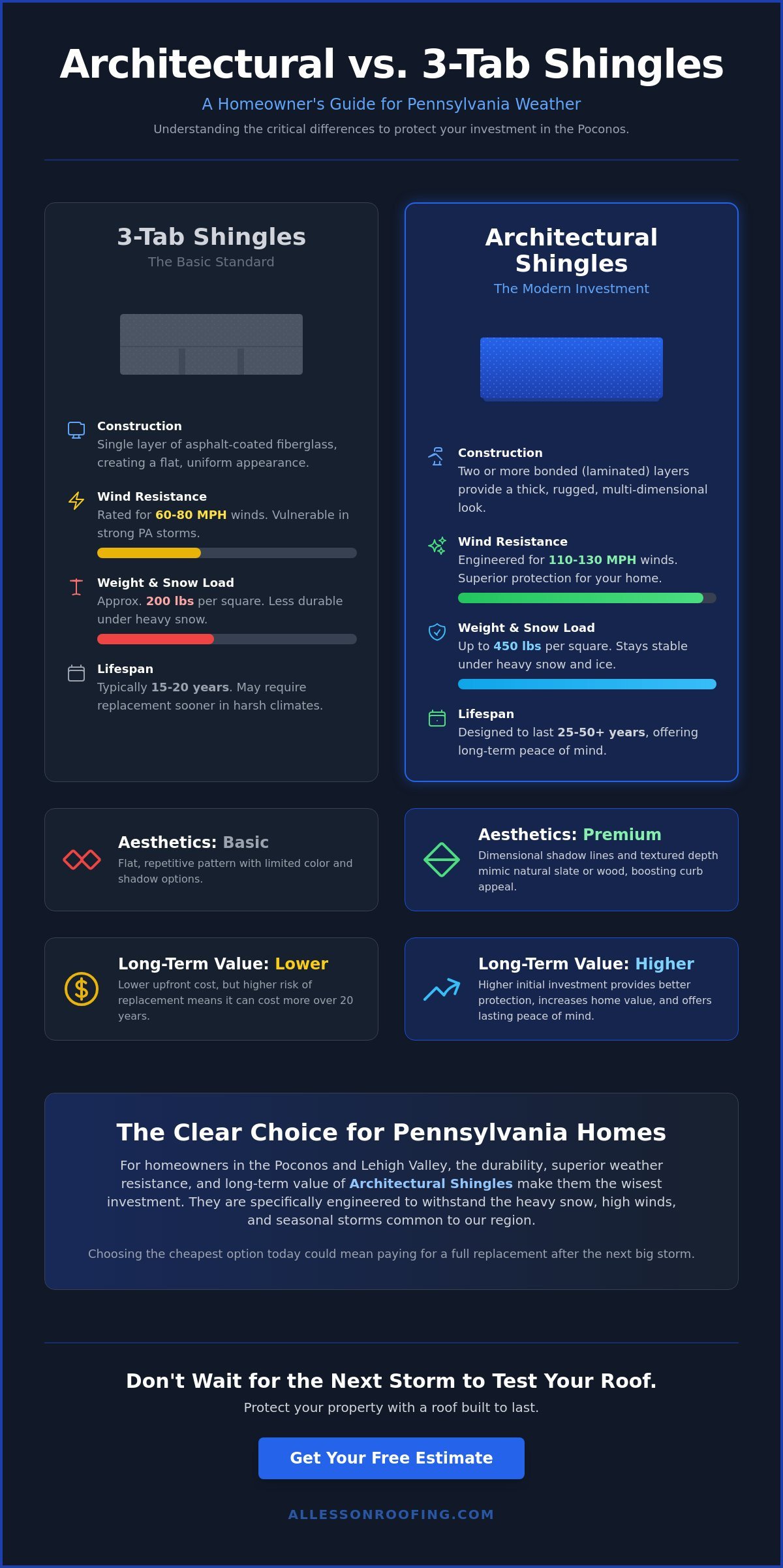
A 3-tab shingle is a single layer of asphalt-coated fiberglass. It gets its name from the three distinct cutouts, or tabs, along the lower edge. When installed, these tabs create a very flat, repetitive pattern that looks like a series of uniform rectangles. These shingles are quite thin and lightweight, typically weighing about 200 pounds per square. While they provide basic protection, their slim profile offers very little in terms of texture. You won’t find many color or shadow options here. They are the entry-level choice, designed for basic functionality rather than long-term aesthetic appeal.
The Anatomy of an Architectural Shingle
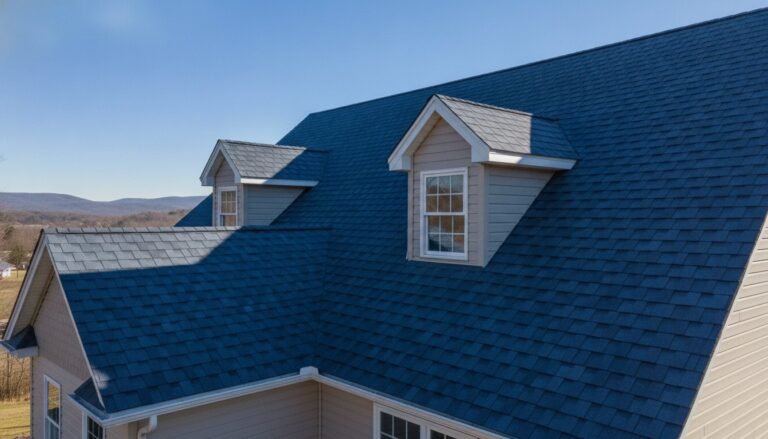
Architectural shingles, often called dimensional or laminated shingles, are built differently. Instead of a single layer, manufacturers bond two or more layers of asphalt together. This laminated construction creates a rugged, multi-dimensional look that mimics the appearance of natural wood shakes or slate. They are significantly sturdier than their 3-tab counterparts. Some premium versions weigh up to 450 pounds per square. This extra mass isn’t just for show. It provides a thicker barrier against the elements and helps the shingle stay flat against the roof deck. This weight prevents the shingles from lifting or curling. It’s a critical structural benefit in high-wind areas where thinner materials often fail.
Performance and Durability: How They Handle Pennsylvania Weather
Pennsylvania weather doesn’t play favorites. If you live in the Poconos or the Lehigh Valley, your roof faces a unique set of challenges every season. High mountain winds and heavy snow loads put immense pressure on your shingles. When weighing architectural shingles vs 3-tab, the durability gap becomes very clear. Standard 3-tab shingles are typically rated for wind speeds of 60 to 80 mph. While that might sound high, a strong summer thunderstorm or a winter nor’easter in East Stroudsburg can easily produce gusts that exceed those limits. In contrast, architectural shingles are designed for 110 to 130 mph winds, providing a much higher margin of safety.
Heavy snow accumulation is another reality here that tests the structural integrity of your home. A single square of 3-tab shingles weighs about 200 pounds, while architectural shingles can weigh up to 450 pounds. This extra weight helps the roof stay stable under the crushing pressure of a three-foot snowdrift. It also offers a sturdier defense against falling branches or hail. You can learn more about The Visual Impact on Your Home and how these material differences affect performance. If you’re dealing with recent weather damage, our team provides emergency storm damage restoration to get your home back in shape quickly.
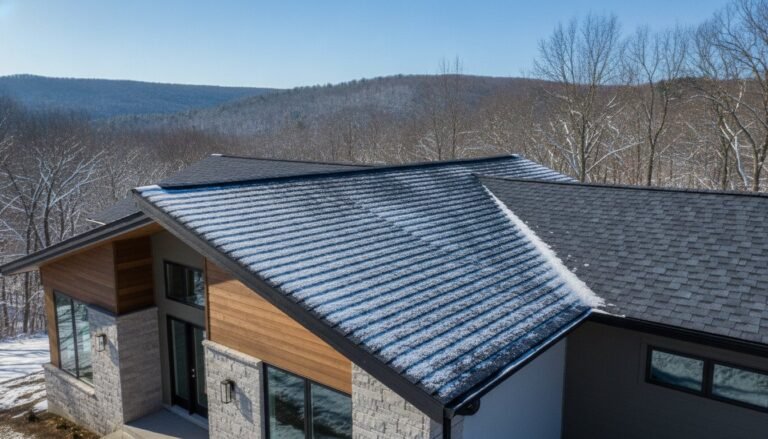
Ice damming is a frequent problem in our region that can lead to costly leaks. Architectural shingles provide a thicker, multi-layered barrier that works more effectively with modern ice shields. Since the 2021 IRC update now requires ice barriers to extend at least 24 inches inside the exterior wall line in Pennsylvania, having a shingle that can handle the thermal expansion of ice is vital. The layered construction of architectural shingles makes them far less likely to crack or pull apart during the brutal freeze-thaw cycles we experience every January.
Wind Uplift and Storm Protection
3-tab shingles are thin and flexible. This makes them prone to “blow-offs” because wind can easily get underneath the single layer and lift the tabs. Once one tab goes, the others often follow like a zipper. Architectural shingles use a laminated, multi-layer bond. This creates a cohesive shield that is much harder for wind to penetrate. In high-exposure areas like the Poconos, this structural difference often means the difference between a minor repair and a full roof replacement after a storm.
Lifespan and Warranty Realities
The realistic lifespan in Pennsylvania varies significantly. You can expect about 15 to 18 years from a 3-tab roof before it starts losing granules and curling. Architectural shingles routinely last 25 to 30 years or more. Don’t let a 30-year warranty on a cheap shingle fool you. These are often pro-rated, meaning their value drops every year. By the time you actually need the coverage in year 15, the manufacturer might only pay a small fraction of the replacement cost. Architectural shingles usually come with much stronger Limited Lifetime warranties that offer real protection for your investment.
Aesthetics and Curb Appeal: The Visual Impact on Your Home
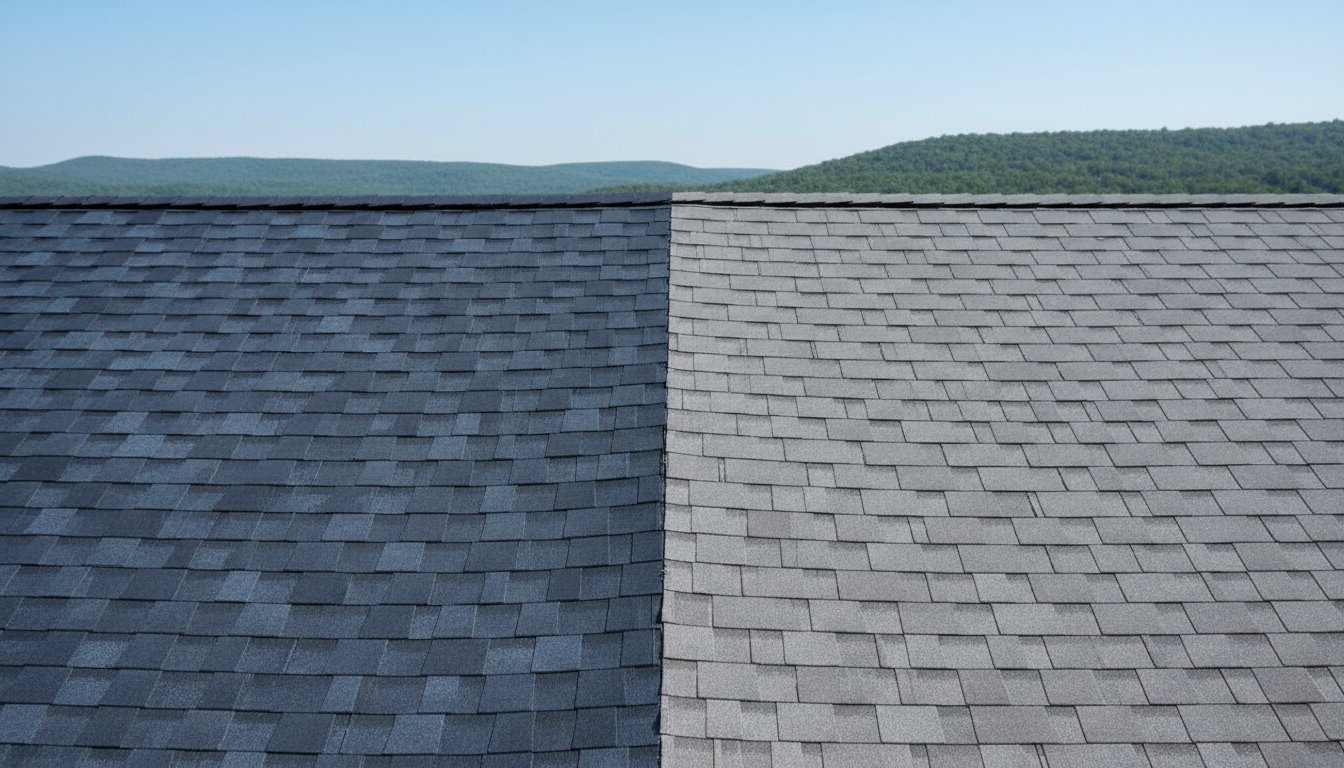
A roof does more than just keep the rain out. It defines the character of your home. When you look at the visual differences in architectural shingles vs 3-tab, the contrast is immediate. 3-tab shingles create a flat, thin appearance with a very repetitive, rectangular pattern. While this look was common thirty years ago, it often gives modern homes a dated, budget-oriented feel. In a region like the Poconos, where homes often feature natural wood siding or stone accents, a flat roof can look out of place and diminish the architectural details of the property.
Architectural shingles change that dynamic entirely. Because they are laminated with multiple layers, they create deep shadow lines and a rich texture. This depth adds a sense of weight and quality to your property, making the roof look more substantial. These shingles are engineered for both style and performance, often meeting high standards for How They Handle Pennsylvania Weather. When a visitor pulls into your driveway, the roof is one of the first things they notice. A dimensional roof makes a strong, positive first impression that lasts for decades.
Color and Texture Versatility
Modern manufacturing allows architectural shingles to mimic premium, expensive materials like cedar shakes or natural slate. This versatility is a major advantage for Pennsylvania homeowners who want a high-end look without the high-end maintenance. You can choose from a wide range of asphalt shingle colors that complement the local Pennsylvania landscape, from deep forest greens to earthy slate grays. Many of these products also feature advanced color blending. This technique doesn’t just look better; it’s practical because it helps hide the streaks of dirt and algae that can accumulate during our humid summer months.
Impact on Home Resale Value
If you plan to sell your home in the next decade, the roof choice is critical. In East Stroudsburg, architectural shingles have become the baseline expectation for buyers. When a home inspector or appraiser sees a 3-tab roof, they often flag it as a “budget” installation that will likely need replacement sooner rather than later. This can lead to lower offers or requests for roof replacement credits during closing. In contrast, an architectural roof signals to buyers that the home has been well-maintained with quality materials. It removes the “replacement needed soon” stigma and can directly increase your home’s market value by several thousand dollars.
The True Cost of Ownership: Upfront Price vs. Long-Term Value
Budget is usually the first concern for any homeowner facing a roof replacement. It’s a fact that architectural materials carry a 15% to 25% higher upfront cost than their 3-tab counterparts. While that initial number might feel significant, looking at the total project cost tells a different story. The labor required to tear off an old roof and install new shingles is nearly identical regardless of which product you choose. Because labor is a fixed cost, the price gap for the entire project is often much smaller than you might expect. When comparing architectural shingles vs 3-tab, the real question is how much you’ll spend over the next three decades.
Consider the math of a thirty-year period. A 3-tab roof in Pennsylvania typically needs a full replacement every 15 to 18 years. This means you will likely pay for a second roof and a second round of labor within that thirty-year window. Architectural shingles are designed to last 25 to 30 years or longer. By choosing the premium option now, you avoid a massive future expense. You may also see immediate savings on your home insurance. Many providers offer premium discounts for roofs with high wind ratings, like the 110 to 130 mph protection we discussed earlier. If you’re ready to see how these numbers look for your property, request a transparent residential roofing estimate today.
Initial Investment Breakdown
The price per square for 3-tab shingles is lower because they use less material. However, this savings only makes sense in very specific scenarios. If you are roofing a detached garden shed, a small playhouse, or a low-value outbuilding, the lower cost of 3-tab shingles is a practical choice. For your primary residence, that small upfront saving quickly vanishes when you factor in the shorter lifespan. Since the installation process is the same, upgrading to a multi-layer shingle represents a small percentage of your total bill but doubles your protection.
Maintenance and Repair Savings
Maintenance costs are another hidden factor in the architectural shingles vs 3-tab debate. 3-tab roofs are more susceptible to minor storm damage, often requiring professional repairs to replace blown-off tabs after a typical mountain wind gust. Architectural shingles are built with advanced granules that resist algae growth and stay bonded longer. This means fewer leak repairs and less money spent on “patching up” a failing roof. Return on investment is the recovery of initial costs through the combined benefits of extended lifespan and increased home value.
Making the Choice: Which Shingle is Right for Your Stroudsburg Home?
Deciding on the right material for your roof shouldn’t feel like a gamble. When you look at architectural shingles vs 3-tab, your specific situation in Stroudsburg dictates the best path forward. If you plan to live in your home for seven years or more, architectural shingles are almost always the right call. Their longevity ensures you won’t be dealing with another replacement project before you’ve even finished your home improvement list. However, the decision also depends on your home’s physical location. If your property is exposed to the high mountain winds common in our part of Pennsylvania, the extra protection of a multi-layer shingle is a necessity, not a luxury.
3-tab shingles are now a specialized niche. They’re best reserved for temporary structures, sheds, or rental properties where the primary goal is keeping upfront costs as low as possible. Before you commit to a material, consult with a local East Stroudsburg roofing contractor. A professional can assess your roof’s pitch and structural readiness. Some steeper pitches benefit significantly from the extra grip and weight of architectural products. This weight prevents sliding and ensures a tighter seal against the elements during our heavy rain and snow cycles. To make sure you’re working with a qualified professional, review our guide on finding the best roofing company in East Stroudsburg before signing any contract.
The “Forever Home” vs. “Starter Home” Debate
If you’re in your “forever home” or plan to pass the property down to family, investing in quality pays off every single day. You gain peace of mind knowing the structure is protected for the next quarter-century. But what if you plan to list the home next year? Even then, architectural shingles often win. Most buyers in the local market view a 3-tab roof as an upcoming expense they want to avoid. Transferable warranties also play a huge role in the sales process. Being able to hand a new buyer a Lifetime Limited warranty from a major manufacturer can be the detail that closes the deal and justifies your asking price.
Next Steps: Inspection and Estimation
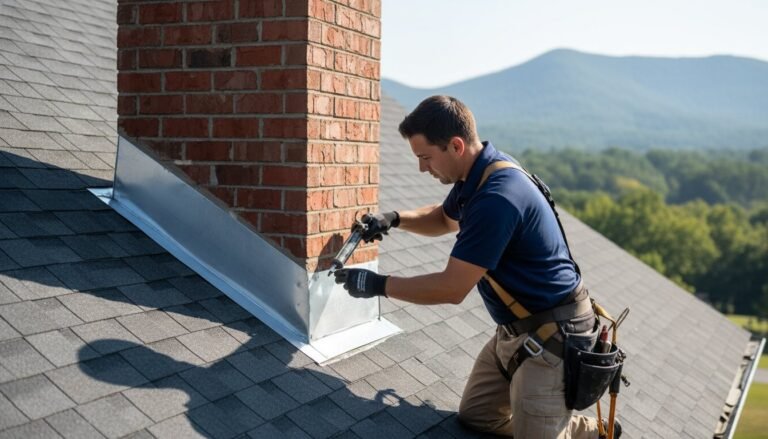
Your roof deck must be strong enough to handle the extra weight of a premium shingle system. A professional inspection is the only way to verify that your rafters and decking are ready for a heavier load. At Allesson Roofing, we believe in a “work-first” approach. We help homeowners compare physical samples in the natural Pennsylvania light so you can see exactly how the colors will look on your specific street. This removes the guesswork and ensures you’re happy with the result for decades. Reach out to us for a free local roofing estimate and let’s find the best protection for your home together.
Protect Your Pennsylvania Home for the Next Generation
Choosing the right roof is about more than just picking a color. It’s about ensuring your family stays dry during a heavy January snow and knowing your investment will last for decades. When you weigh architectural shingles vs 3-tab, the decision often comes down to long-term peace of mind. Architectural shingles provide the 110 to 130 mph wind resistance and multi-layer durability that Pennsylvania homes require to stand up to our unpredictable weather. While 3-tab shingles serve a purpose for basic structures, the increased resale value and lower maintenance of architectural options make them the clear favorite for local homeowners.
As a locally owned and operated business in East Stroudsburg, we take pride in being your dependable partner for every project. We are specialists in Poconos storm damage restoration and expert asphalt shingle installation for both residential and commercial properties. We don’t believe in high-pressure sales. Instead, we provide the steady, calm assurance you need to make the best choice for your property. Ready to secure your home’s future? Get a Free Roof Replacement Estimate from Allesson Roofing Today and let us help you build a roof that lasts. We look forward to serving you and your neighbors for years to come.
Frequently Asked Questions
Are architectural shingles worth the extra money in Pennsylvania?
Yes, architectural shingles are worth the investment because they last nearly twice as long and offer superior wind protection. In Pennsylvania, where winter storms and heavy snow are common, the higher initial investment prevents the need for a second full replacement within 25 years. You also save on minor repair costs over time and gain much better protection against the elements for your primary residence.
Can I install architectural shingles over an existing layer of 3-tab shingles?
While technically possible in some jurisdictions, it is generally not recommended for Pennsylvania homes. Adding a second layer makes it impossible to inspect the roof deck for rot or install the mandatory ice barriers required by the 2021 IRC update. The extra weight of architectural shingles can also strain your rafters when combined with the heavy snow loads we see in the Poconos.
What is the wind rating difference between 3-tab and architectural shingles?
Standard 3-tab shingles are typically rated for 60 to 70 mph, while architectural shingles are rated for 110 to 130 mph. This difference is vital for Poconos residents who face high-altitude gusts during summer storms. The multi-layer construction of architectural shingles makes them much harder for the wind to lift and blow away compared to thinner, single-layer options that can easily tear off.
Do architectural shingles increase home value more than 3-tab?
Yes, architectural shingles provide a significant boost to curb appeal and resale value. Most modern buyers and home inspectors in East Stroudsburg view 3-tab roofs as a budget option that will likely require replacement sooner rather than later. High-quality architectural shingles signal that the home is well-maintained, which often leads to higher offers and a faster sales process when you list the property.
How much heavier are architectural shingles compared to 3-tab?
Architectural shingles are approximately 50 percent heavier than 3-tab shingles. A typical square of 3-tab shingles weighs about 200 pounds, while architectural varieties can weigh between 350 and 450 pounds. This extra weight provides a thicker barrier against hail and helps the shingles stay flat against the roof deck during high winds, which is a major advantage in our local mountain environment.
Which shingle type is better at preventing ice dams in the Poconos?
Architectural shingles are superior because their multi-layered construction provides a thicker thermal and moisture barrier. When comparing architectural shingles vs 3-tab, the dimensional shingles offer better resistance to the expansion and contraction caused by ice. They work more effectively with the mandatory ice shields required by current Pennsylvania building codes to prevent leaks during the brutal freeze-thaw cycles of January.
Does the color of the shingle affect the lifespan of my roof?
Yes, darker shingles tend to absorb more heat, which can slightly accelerate the aging process of the asphalt over many years. However, modern granules are now designed to reflect UV rays more efficiently regardless of the shade you choose. Selecting a color that matches your home’s aesthetic is usually more important than the minor difference in heat absorption, especially in our cooler Pennsylvania climate. If you want guidance on making the right choice, our complete guide to choosing the best asphalt shingle colors for your Pennsylvania home walks you through every consideration.
How long does a 3-tab shingle roof typically last in East Stroudsburg?
A 3-tab roof in East Stroudsburg typically lasts between 15 and 18 years before showing significant wear. The harsh freeze-thaw cycles and heavy snow in the Poconos often cause these thinner shingles to curl or lose granules faster than they would in milder southern climates. When evaluating architectural shingles vs 3-tab, remember that the architectural option often provides reliable protection for 25 to 30 years.