Signs of Poor Attic Ventilation (and Why Your Roof Pays)
Attic ventilation is the least glamorous part of a roof and one of the most important. Get it wrong and your roof ages faster, your bills climb, and you fight the same winter problems every year.
Poor attic ventilation traps heat and moisture under your roof, which cooks shingles from below, feeds mold, and drives ice dams in winter. Most homeowners never think about it — until a roofer points to the real reason their last roof didn’t last.
Why ventilation matters for your roof
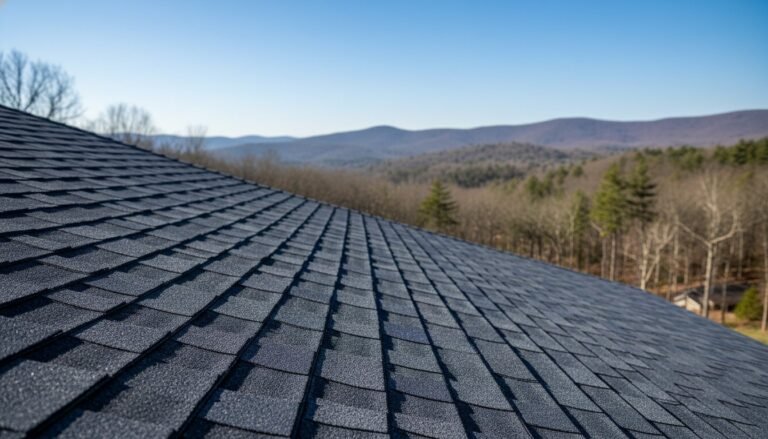
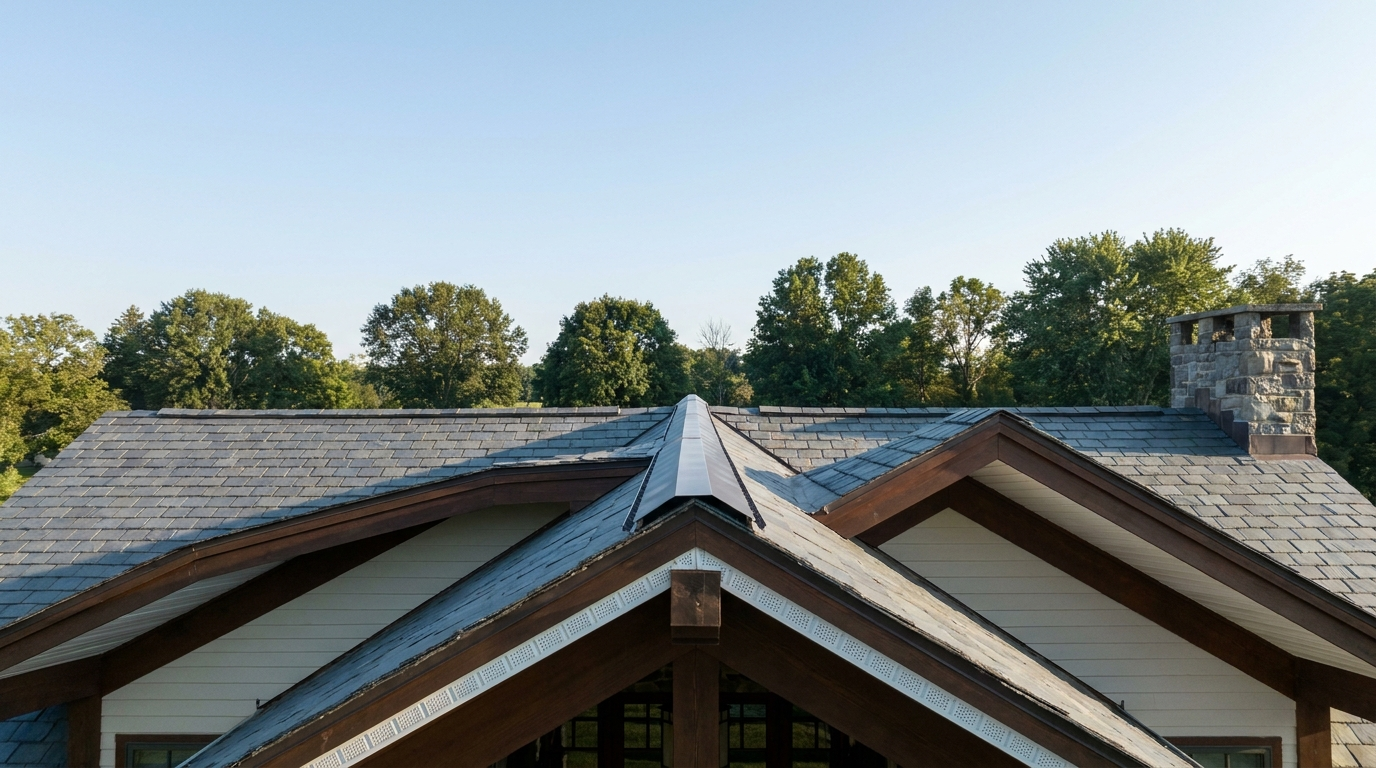
A roof needs to breathe: cool air in at the eaves (soffit vents), warm air out at the ridge. When that airflow is blocked or unbalanced, summer attic temperatures soar and bake your shingles from the underside, aging them years early. In winter, trapped warm air melts snow on the roof that refreezes at the cold eaves — the exact recipe for the ice dams we treat all over the Poconos.
Signs your attic isn’t venting right
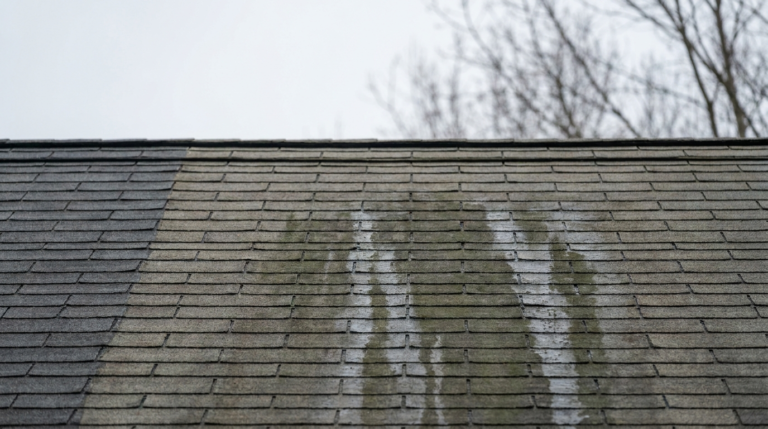
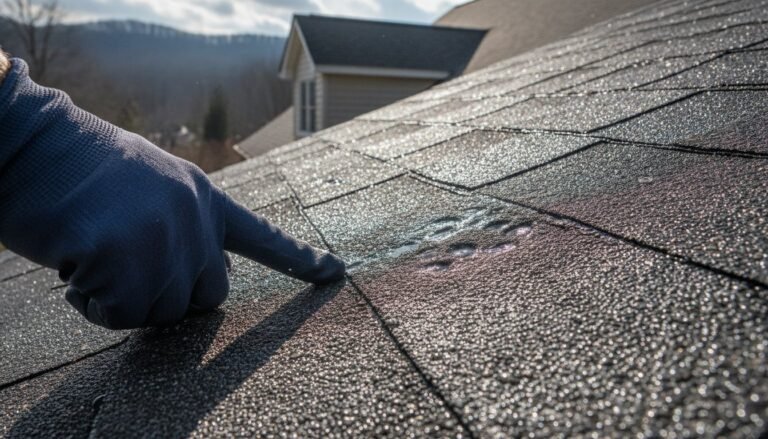
Watch for: an attic that feels like an oven in summer, frost or damp wood on the underside of the roof deck in winter, mildew smell or dark staining in the attic, ceilings that are warm to the touch, and energy bills that keep creeping up. Recurring ice dams are one of the loudest signs of all.
What it’s quietly costing you
Three ways: a roof that fails early (you replace it years sooner than you should), higher heating and cooling bills as your HVAC fights the trapped air, and moisture damage — mold, rotted decking, ruined insulation — that’s expensive to undo. Compared to those, fixing ventilation is cheap.
How it’s fixed
Usually by balancing intake and exhaust: adding or clearing soffit vents, adding ridge venting, and making sure insulation isn’t blocking the airflow at the eaves. It’s often done as part of a roof installation or roof replacement, which is the ideal time to get it right — but on many homes it can be improved on its own. Any quality residential roofing job should include a ventilation check, not just new shingles.
Frequently asked questions
Can’t I just add more vents?
Not blindly. Too much exhaust without matching intake can actually pull air the wrong way. Ventilation has to be balanced — that’s why it’s worth having it assessed rather than guessed.
Does ventilation really affect my energy bill?
Yes. A superheated attic pushes heat into your living space in summer and stresses your HVAC year-round. Better airflow eases both.
Find out what your attic is doing
A free inspection tells you whether your roof is breathing the way it should — before it costs you a roof. Call Allesson Roofing at (570) 426-3505.