Best Siding for PA Homes: 2026 Guide to Durability and Style
Why does siding that looks perfect in a showroom often crack or warp after just one harsh winter in the Poconos? You’ve likely noticed how Pennsylvania’s constant freeze-thaw cycles and humid summers take a heavy toll on your home’s exterior. It’s frustrating to deal with the high maintenance of wood or the brittle nature of aging vinyl when you’d rather be enjoying your weekend. You deserve a home that looks its best without the constant worry of storm damage or fading colors.
Finding the best siding for PA homes is about more than just picking a pretty color; it’s about choosing a climate-engineered system that protects your property value. We’ll show you how to achieve a maintenance-free exterior that stands up to heavy winds and helps lower your monthly energy bills through better insulation. This guide covers the 2026 building code updates and highlights materials that can recoup up to 85% of their cost at resale. You’ll gain the information needed to choose a durable solution that provides peace of mind through every winter storm.
Key Takeaways
- Learn how Pennsylvania’s freeze-thaw cycles cause siding to expand and how you can stop algae growth during damp Poconos springs.
- Compare the top materials, like insulated vinyl and fiber cement, to find the best siding for PA homes based on thermal performance and fire resistance.
- See which siding materials need painting every decade so you can plan for long-term maintenance and maximize your home’s resale value.
- Understand why the connection between your siding and roof is a major leak risk and how proper flashing keeps your interior dry.
- Pick a color palette and style that fits your home’s specific architecture and stays in fashion well into the next decade.
Why Pennsylvania’s Climate is Brutal on Residential Siding
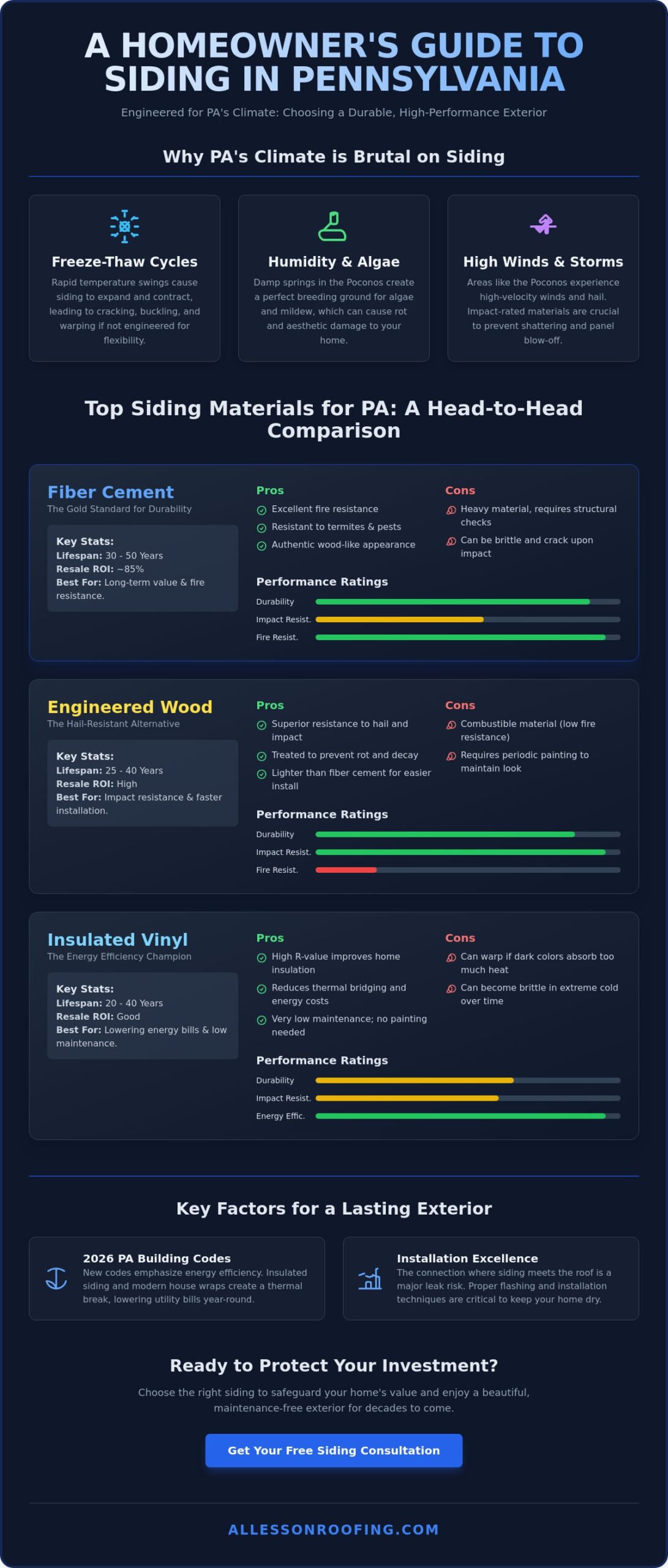
Pennsylvania weather puts your home through a relentless mechanical workout. The primary culprit is the freeze-thaw cycle. During a typical PA winter, temperatures can swing 30 degrees in a single day. This causes your siding to expand and contract violently. If your materials aren’t flexible or installed with the right “give,” they will eventually buckle, crack, or pull away from the fasteners. This is why choosing the right siding materials that can handle these shifts is the first step in finding the best siding for PA homes.
Damp Poconos springs create a breeding ground for algae and mildew. If you have a north-facing wall that stays in the shade, you’ve likely seen that tell-tale green tint. Without proper moisture management, this isn’t just an eyesore; it can lead to rot in the underlying sheathing. In areas like East Stroudsburg, we also have to account for high-velocity winds and hail. Standard materials often fail here, which is why we recommend impact-rated options that won’t shatter when the next storm rolls through. Additionally, the 2026 trend toward darker colors like charcoal gray brings new challenges. These dark pigments absorb more heat and UV radiation, which can lead to uneven fading or warping if the material isn’t engineered with modern UV-resistant additives.
The Poconos vs. The Lehigh Valley: Micro-Climate Differences
Elevation matters more than you might think. In the Poconos, higher elevation wind loads require reinforced nail hems to prevent panels from blowing off during a storm. Down in the Lehigh Valley, cities like Allentown and Bethlehem experience the urban heat island effect. Concrete and asphalt trap heat, raising local temperatures and increasing the risk of vinyl warping. Regardless of your location, you must consider the “splash zone.” Heavy snow accumulation against your foundation can lead to moisture rot if your siding isn’t installed with proper clearance and a high-quality weather barrier.
Energy Efficiency and the R-Value Factor
As of January 1, 2026, Pennsylvania has officially adopted the 2021 International Code Council (ICC) series as the new building standard. These updated codes place a higher emphasis on energy efficiency and thermal performance. Your siding is your home’s first line of defense against thermal bridging. This occurs when heat escapes through the wooden studs of your walls. By using insulated siding and modern house wraps, you create a continuous thermal break. This keeps your home warmer in the winter and significantly lowers your cooling costs when the humid PA summer arrives. Finding the best siding for PA homes means looking at the entire wall system, not just the outer layer.
The Top 4 Siding Materials for PA Homes in 2026
Selecting the best siding for PA homes requires balancing aesthetics with the technical demands of Pennsylvania’s temperate climate. You need a material that won’t just look good today, but will survive the next two decades of heavy snow and summer humidity. While vinyl remains a popular choice, modern homeowners are increasingly turning to composite and metal options for better protection against the elements.
Fiber Cement: The Gold Standard for Durability
Fiber cement, particularly James Hardie products, is a top choice for its fire resistance and wood-like appearance. It’s a heavy-duty blend of portland cement and cellulose fibers. This composition makes it naturally resistant to local pests like carpenter bees and termites. For older homes in Stroudsburg, we must evaluate the wall structure first because this material is significantly heavier than vinyl. However, with a lifespan of 30 to 50 years and a resale ROI of approximately 85%, it’s a powerhouse for long-term value. We recommend using factory-finished colors to ensure the finish stands up to PA’s high humidity without peeling.
Engineered Wood: The Hail-Resistant Alternative
Engineered wood, such as LP SmartSide, is gaining ground in the Poconos because it handles impact energy better than brittle fiber cement. While fiber cement can crack if hit by large hail or a stray baseball, engineered wood’s resin-bonded structure is designed to bounce back. These panels are treated with zinc borate to prevent rot, which is vital in our damp forest environments. It’s also lighter and comes in longer lengths, which often leads to a faster project timeline. If you’re looking for the best siding for PA homes that offers the warmth of wood with modern durability, this is a strong contender.
Insulated Vinyl: More Than Just Plastic
Don’t confuse modern vinyl with the thin plastic of the past. High-end insulated vinyl uses a premium .046 gauge or thicker, compared to the standard .040 gauge found on budget projects. We pair this with rigid foam backing that’s glued directly to the panel. This backing adds significant R-value to your home and creates a straighter wall line by masking imperfections in the sheathing. It also features advanced locking mechanisms that prevent panels from rattling or blowing off during intense Poconos wind storms. Choosing the right material is only half the battle. Professional siding installation ensures these high-performance products are flashed and sealed correctly to meet the 2026 building codes.
Metal Siding: Industrial Strength for the Home
Modern metal siding has moved beyond the barn. Today’s steel and aluminum options offer a sleek, contemporary look with virtually zero maintenance. It’s completely fireproof and won’t absorb moisture, making it immune to the algae growth common on north-facing PA walls. While the upfront cost is higher, the longevity and resistance to fading make it a smart “once-and-done” investment for homeowners who want to avoid future repairs.
Comparing Cost, Maintenance, and Long-Term ROI
How do you balance your immediate budget with the long-term health of your home? Choosing the best siding for PA homes requires a look beyond the initial estimate. You need to consider how a material performs over twenty years in our unpredictable climate. When Comparing Popular Types of Siding, the most expensive option upfront often provides the greatest financial relief over time. Investing in quality today prevents expensive emergency repairs after the next major ice storm.
Maintenance schedules vary wildly between materials. Vinyl siding is famously low-maintenance, requiring only an occasional power wash to remove Poconos mildew. However, fiber cement and engineered wood offer superior durability but may require repainting every 15 years to maintain their protective seal. You should also scrutinize “Lifetime” warranties. In the Pennsylvania market, these are often prorated, meaning the coverage decreases as the siding ages. Always ask if the warranty is transferable, as this can be a major selling point when you eventually list your home. A solid warranty provides peace of mind during those intense winter storms that sweep through Eastern Pennsylvania.
The True Cost of ‘Cheap’ Siding
Are you tempted by the lowest bid? Standard, non-insulated vinyl might save money today, but it lacks the thermal protection needed for PA winters. Without that extra layer, your heating system works harder, leading to higher monthly utility bills. Brittle, low-grade vinyl also presents hidden repair costs; a single hailstone or a stray rock from a lawnmower can crack a panel that is difficult to match years later. The cheapest upfront siding often costs 40% more over its lifespan due to maintenance. When evaluating contractors, our guide to siding repair East Stroudsburg homeowners trust can help you spot red flags in low-ball quotes and verify that any contractor you hire meets the 2026 permit and licensing requirements.
Return on Investment (ROI) in the Lehigh Valley
Siding replacement consistently ranks as a top-three home improvement for return on investment, making it a key factor when selecting the best siding for PA homes. In Pennsylvania, James Hardie fiber cement siding recoups approximately 85% of its installed cost at resale. Vinyl siding follows at about 65%. Beyond the math, consider the curb appeal. A fresh exterior in 2026’s popular charcoal or navy tones can help your home sell faster in a competitive market like Allentown or Bethlehem. You can even claim a federal tax credit of 30% for qualified energy-efficient siding, up to $1,200 annually, which makes premium insulated products much more accessible. Programs like Pennsylvania’s Whole-Home Repairs Program also offer up to $50,000 for qualified homeowners to address structural issues and improve energy efficiency. Homeowners in Allentown and Bethlehem can learn more about maximizing these returns in our detailed guide to siding installation Lehigh Valley options.
Installation Excellence: Where Siding Meets the Roof
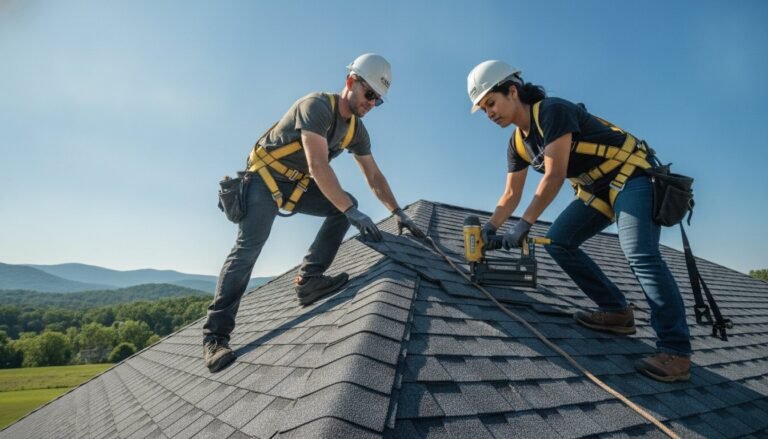
Even the best siding for PA homes will fail if the edges aren’t sealed correctly. Think of your home’s exterior as a single, unified protective shell. If the siding doesn’t play nice with the roof, you’re inviting water into your walls. This is why we focus heavily on the critical junction where your walls meet your roofline. Many contractors treat these as two separate jobs. We don’t. A siding panel that is tucked too tightly against roof shingles can trap moisture, leading to rot and ice dams. Proper installation requires kick-out flashing. This small piece of metal directs water away from the wall and into the gutter. Without it, water seeps behind the siding and causes damage you won’t see until it is too late.
The invisible parts of your exterior often matter the most. We use high-quality J-channels and starter strips to secure your panels firmly. These components determine how well your home resists wind. In the Poconos, where gusts can be fierce, these strips keep your siding from rattling or peeling off during a storm. We also ensure proper ventilation behind the panels. If air can’t circulate, humidity gets trapped against your sheathing. This leads to mold growth that can ruin your home’s structural integrity over time. A professional installation ensures your home breathes while staying bone-dry.
Siding and Chimney Flashing Integration
Did you know many “siding leaks” are actually roof issues? We often find that water entering through the siding is caused by a failing chimney flashing repair service need. Step-flashing must be layered carefully behind each siding course at the chimney base. This unified strategy prevents attic mold and stops structural rot before it starts. It’s about looking at the whole house as a system rather than just one surface. We make sure every transition is watertight.
The Allesson Approach to Local Installation
We use stainless steel fasteners to combat Pennsylvania’s corrosive humidity. Standard nails can rust over time, leaving ugly streaks on your new exterior. Our team ensures your asphalt shingle installation PA and siding work together as a seamless system. We take pride in managing a clean job site, even in tight East Stroudsburg residential lots. You shouldn’t have to worry about stray nails or debris in your yard after we leave. If you want a worry-free exterior, reach out to us for a siding evaluation today.
Choosing the Right Siding for Your Home: The Final Decision
Selecting the best siding for PA homes eventually comes down to your property’s unique character. If you own a classic Victorian in Bethlehem, fiber cement lap siding preserves that historic look while offering modern protection against rot. For a sprawling ranch in the Poconos, engineered wood or premium vinyl provides a clean, horizontal line that fits the landscape perfectly. Modern PA homes often benefit from the industrial strength of metal siding. This choice offers a sleek aesthetic that won’t require a paintbrush for decades. Your choice should reflect both your personal style and the structural needs of your specific property.
Color choice is your next big hurdle. While charcoal gray and navy are the standout trends of 2026, you want a palette that remains attractive through 2030 and beyond. Earthy tones like sage green or warm stone are timeless options that blend well with Pennsylvania’s natural scenery. Avoid overly trendy colors that might alienate future buyers. A cohesive exterior that matches your roof color will always have a higher resale value than a disjointed one. Choosing a shade with high UV resistance is vital to prevent the uneven fading often seen on sun-drenched southern walls.
There is a massive advantage to hiring a single contractor for both your roof and siding. When one team handles the entire building envelope, you avoid the common disputes that happen when leaks occur at the roof-to-wall transition. We ensure your siding installation aligns perfectly with your shingles, creating a unified defense against the elements. This streamlined approach saves you time and ensures every flashing detail is handled by a single, accountable expert. It’s the most efficient way to protect your home’s value while keeping your project on schedule. If your property is located in the Lehigh Valley, our comprehensive guide to professional siding installation in the Lehigh Valley walks through every step of this process in detail.
A Checklist for PA Homeowners
- Inspect your current exterior for “hidden” rot or pest damage, especially near the foundation and roofline.
- Check your local HOA requirements, as many Poconos communities have strict rules regarding material types and color palettes.
- Set a realistic 2026 budget that accounts for the 30% federal energy tax credit available for insulated materials.
- Verify that your contractor is familiar with the 2021 ICC building codes that took effect in Pennsylvania on January 1, 2026.
The Allesson Roofing Promise
We take quiet pride in our craftsmanship because we live and work in the same neighborhoods you do. Our local expertise means we know East Stroudsburg weather better than national chains that use one-size-fits-all methods. We provide transparency through no-nonsense estimates and clear communication from start to finish. You deserve a dependable partner who understands the stakes of a major home renovation. Stop worrying about cracks, leaks, or fading colors and start enjoying the peace of mind that comes with a professionally installed exterior. Schedule your free siding and roof inspection today!
Protect Your Home with Confidence
Pennsylvania weather is relentless, but your home’s exterior doesn’t have to be vulnerable. You now have the tools to choose materials that balance immediate curb appeal with the long-term durability required by our local freeze-thaw cycles. Remember that the best siding for PA homes only performs as well as its installation. By ensuring your siding and roofing systems work together, you eliminate the risk of hidden moisture damage and attic mold.
We are locally owned and operated in East Stroudsburg, and we take pride in helping our neighbors build more resilient homes. Our team provides free storm damage inspections for Poconos residents to help you identify issues before they become expensive emergencies. We specialize in both roofing and siding to ensure your property has a complete, watertight seal. Take the first step toward a maintenance-free exterior and a more energy-efficient home today.
Get Your Free Siding Estimate from East Stroudsburg’s Trusted Local Experts
Your home is your most significant investment. We look forward to helping you protect it for the long haul with a steady hand and local expertise.
Frequently Asked Questions
What is the most durable siding for Pennsylvania weather?
Fiber cement and engineered wood are the most durable options for Pennsylvania’s harsh climate. These materials resist the mechanical stress of the freeze-thaw cycle much better than standard vinyl. Fiber cement is specifically engineered to handle high moisture and local pests, while engineered wood offers high impact resistance against Poconos hail storms. Both materials outlast traditional wood siding without the need for constant maintenance or frequent repairs.
How much does it cost to reside a house in East Stroudsburg?
The total cost of a siding project depends on your home’s square footage and the specific material you select. Factors like the complexity of your roofline and the current condition of your home’s wood sheathing also play a significant role. We recommend checking with local contractors for a detailed assessment of your property. This ensures you get an accurate estimate that accounts for local labor rates and permit fees in the East Stroudsburg area.
Is fiber cement siding worth the extra cost over vinyl?
Fiber cement is often worth the investment because it typically recoups a higher percentage of its cost at resale compared to vinyl. It provides superior fire resistance and a more authentic wood appearance that many homeowners prefer. While the upfront price is higher, its 30 to 50 year lifespan means you likely won’t need to replace it again. It’s frequently cited as a top choice for the best siding for PA homes.
Can I install new siding over my old siding to save money?
It is generally not recommended to install new siding over old layers because it often leads to trapped moisture and hidden rot. Removing the old material allows us to inspect the underlying wood sheathing for damage and install a fresh vapor barrier. This step is crucial for meeting 2026 building codes and ensuring your home remains watertight. Skipping the tear-off might save money today but often leads to expensive structural repairs later.
How often should I replace my siding in the Poconos?
You should consider a replacement every 20 to 25 years for standard vinyl, while fiber cement can last up to 50 years. In the Poconos, environmental factors like heavy snow and high winds can accelerate wear and tear on your exterior. Look for signs like warping, persistent mildew, or panels that have pulled away from the wall. If you notice your energy bills rising, it might be time to upgrade to a more efficient system.
Which siding color lasts the longest without fading in the sun?
Lighter, neutral colors like tan, beige, or light gray tend to resist UV fading better than dark, saturated pigments. While modern dark colors like charcoal are popular, they absorb more heat and can be more prone to visible sun damage over a decade. If you choose a darker hue, ensure the product includes advanced UV-resistant additives. This helps maintain your home’s curb appeal through years of direct sunlight on southern-facing walls.
Does new siding help with my home’s energy efficiency?
New siding significantly improves energy efficiency by creating a continuous thermal break around your home. Choosing the best siding for PA homes often involves selecting insulated vinyl or adding a layer of rigid foam behind other materials. This extra insulation helps keep your interior temperatures stable during frigid winters and humid summers. It can lead to lower monthly utility bills and often qualifies for federal tax credits under current energy programs.
Will new siding help prevent my roof from leaking?
Siding alone won’t fix a roof leak, but the two systems must work together to keep your home dry. Water often enters a home where the roofline meets a vertical wall, making proper step-flashing and kick-out flashing essential. If your roof is already leaking, new siding won’t solve that underlying issue. However, a unified installation approach ensures that water is directed away from your home’s structure and into your gutter system effectively. Before hiring any contractor, review our 2026 checklist for vetting East Stroudsburg siding companies to ensure you’re working with a qualified professional who understands these critical integration details.