Roofing Scams to Avoid in Pennsylvania: The 2026 Homeowner’s Protection Guide
After a sudden storm rolls through the Poconos, the last thing you need is a “storm chaser” at your front door promising a free roof. It sounds like a lucky break, but for many East Stroudsburg homeowners, these high-pressure pitches are the first sign of roofing scams to avoid in Pennsylvania. We know the anxiety of dealing with potential leaks while trying to decode complex insurance claims. You want a roof that protects your family and a contractor you can actually find if something goes wrong.
This 2026 guide is designed to help you protect your investment and your peace of mind. You’ll learn how to verify a contractor’s HICPA registration with the Attorney General’s office and what specific details must be in your written contract. We’re pulling back the curtain on “fly-by-night” tactics and providing a clear path to finding a trustworthy local professional who values quality craftsmanship over a quick payout. By the time you’re done reading, you’ll have a clear checklist to ensure your home stays in the right hands.
Key Takeaways
- Learn to spot the warning signs of “storm chasers” after Poconos weather, including out-of-state plates and high-pressure door-to-door sales.
- Understand why “waiving your deductible” is illegal under state law and how to protect your insurance claim from depreciation fraud.
- Learn how to research roofing scams to avoid in Pennsylvania by verifying a contractor’s mandatory HICPA registration number through the Attorney General’s website.
- Discover why a detailed, written estimate for services like asphalt shingle installation is your best defense against hidden costs and project delays.
- See how a transparent, local approach to inspections and project scopes builds a foundation of trust for your home maintenance.
Identifying the Red Flags: How to Spot a Roofing Scam in PA
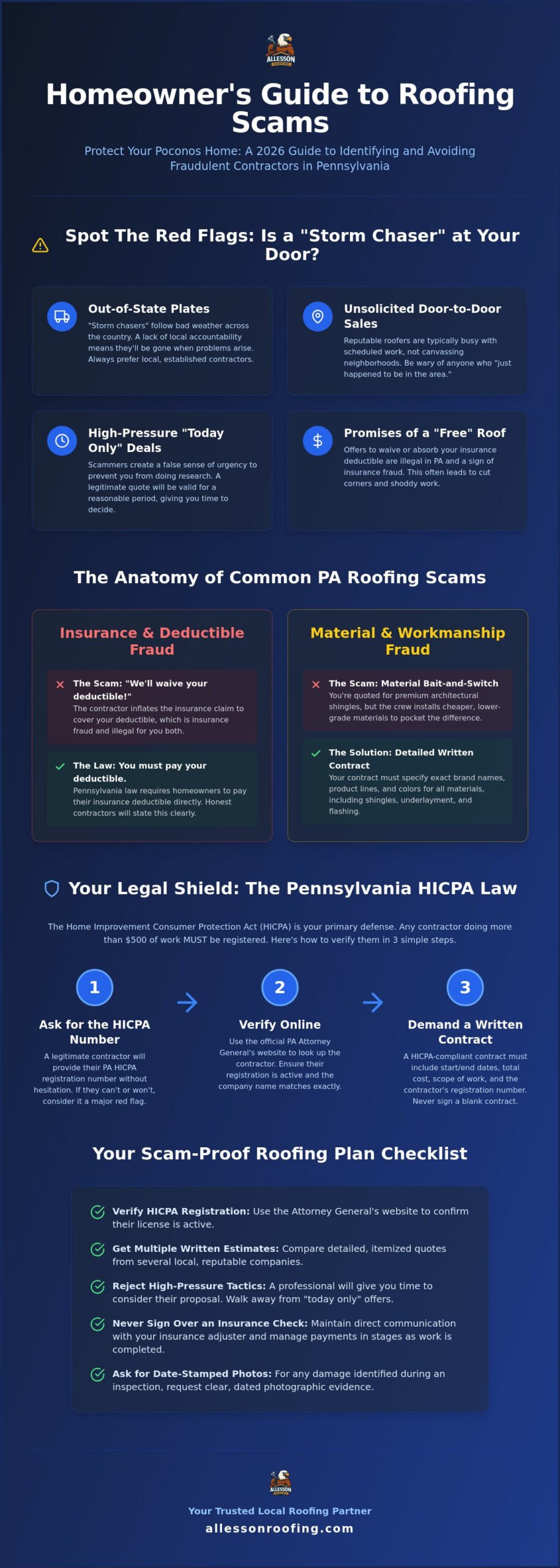
Pennsylvania storms, especially in the Poconos, often bring a wave of out-of-state “storm chasers.” These crews follow severe weather patterns across the country. If you see a truck with out-of-state plates knocking on doors in your neighborhood after a hailstorm, be cautious. These transient workers often lack the local accountability required for a long-term investment like your roof. They rely on the fact that they’ll be three states away by the time a leak develops. Identifying these roofing scams to avoid in Pennsylvania begins with looking at the license plate on the truck.
Unsolicited door-to-door inspections are another major red flag. A reputable local contractor is usually busy serving scheduled clients, not wandering neighborhoods looking for work. Be especially wary of the “leftover materials” pitch. A professional roofing company calculates material orders precisely for each specific job. They don’t just happen to have “extra shingles” from a neighbor’s house that they can install on yours for a massive discount. This is a classic tactic for understanding roofing scams and how they exploit a homeowner’s desire for a bargain. You can find more advice on protecting your property on our blog.
The Danger of the “Free” Roof Inspection
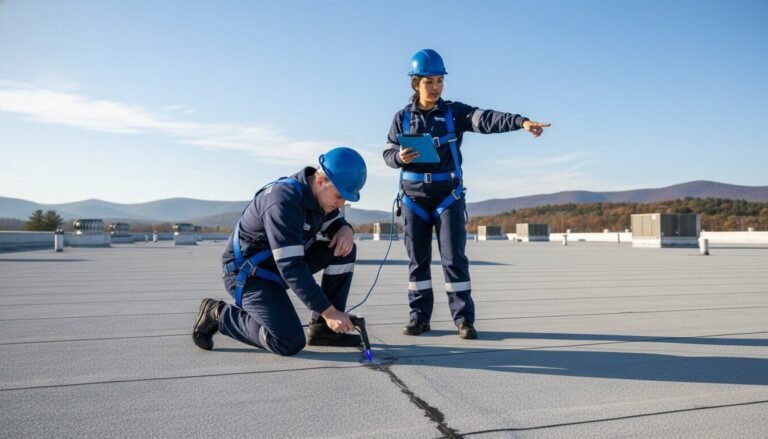
Some scammers use a “free” inspection to manufacture damage that wasn’t there. They might use a screwdriver to pry up shingles or even golf balls to simulate hail impact while they are alone on your roof. Always ask to see date-stamped photos of the damage. Better yet, stay on the ground and watch them or have a second trusted professional present. Watch out for the “distraction” scam too. This happens when one person keeps you busy on the roof or at the front door while an accomplice attempts to enter your home through a back entrance.
Pressure Tactics and “Today-Only” Deals
Scammers use psychological triggers to bypass your common sense. If a contractor claims a discount is “only valid for the next hour,” they are trying to stop you from doing your homework. High-pressure sales is a tactic used to prevent consumer research by creating a false sense of urgency. A legitimate East Stroudsburg roofer will always provide a detailed, written estimate and give you plenty of time to review it. They understand that a roof is a significant decision and want you to feel confident in your choice. Learning about roofing scams to avoid in Pennsylvania starts with recognizing that real professionals don’t need to corner you into a signature.
The Anatomy of Common PA Roofing Scams: Insurance and Material Fraud
Understanding the mechanics of fraud helps you stay protected. While section one focused on who is knocking, this section focuses on what they’re saying once they’ve gained your attention. Many roofing scams to avoid in Pennsylvania revolve around insurance claims and material substitutions that the average homeowner won’t notice until the first heavy rain. These tactics are designed to drain your insurance claim while leaving you with a substandard roof.
Insurance Claim Manipulation and “Deductible Eating”
Scammers often promise to “waive” or “eat” your insurance deductible to make the deal irresistible. Don’t fall for it. Pennsylvania law requires homeowners to pay their own deductible. When a contractor offers to cover it, they’re likely committing insurance fraud and forcing you to participate. They’ll make up that lost money by using inferior materials or skipping critical steps. The PA Attorney General’s warning highlights how these post-storm offers can lead to legal trouble for the homeowner. Be wary of the “depreciation” scam too. This happens when a roofer pressures you to sign over your entire claim check upfront. Keep your communication direct with your insurance adjuster to ensure your funds are handled properly.
Workmanship and Material Shortcuts
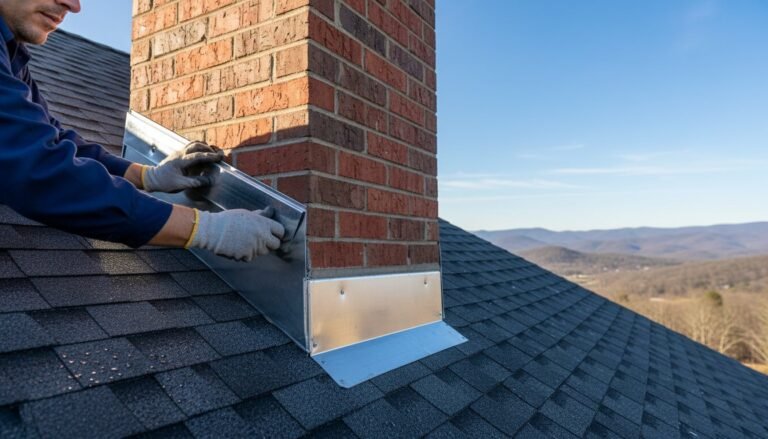
Workmanship shortcuts are harder to spot but just as damaging. A common trick is the material bait-and-switch. You might pay for high-quality architectural shingles but receive low-grade 3-tab alternatives instead. Some dishonest crews even save money by reusing old drip edges or failing to replace chimney flashing. This neglect is a primary cause of a roof leak in Stroudsburg during heavy rains. Recognizing these technical shortcuts is vital when identifying roofing scams to avoid in Pennsylvania. Consider these common shortcuts:
- The “Nail Pattern” Scam: Using only three or four nails per shingle instead of the recommended six. This saves the contractor money but voids your manufacturer warranty.
- High-Nailing: Nailing above the designated strike zone to speed up the job. This leads to shingles blowing off in the next Poconos wind storm.
- Reusing Underlayment: Failing to replace the waterproof barrier beneath your shingles, which hides existing wood rot.
If you’re concerned about the state of your current installation, you can request an honest assessment from a local team that prioritizes transparency and professional standards.
Pennsylvania HICPA Laws: How to Legally Verify a Contractor
Protecting yourself starts with knowing the law. Pennsylvania has established clear rules to help you identify roofing scams to avoid in Pennsylvania, but you have to know what to ask for. The Home Improvement Consumer Protection Act (HICPA) is your primary defense. Any contractor performing more than $5,000 in home improvements per year must register with the state. If a roofer can’t or won’t provide their state credentials, they aren’t just unprofessional; they’re likely operating illegally. Use this five-step verification plan before you sign any paperwork.
- Step 1: Ask for the PA Home Improvement Contractor (HICPA) registration number. It should be clearly visible on their contracts and marketing materials.
- Step 2: Verify the number on the Pennsylvania Attorney General’s official website or call their registration toll-free line at 1-888-520-6680.
- Step 3: Confirm a physical business address in PA. Be wary of contractors using only a PO Box or listing an out-of-state headquarters far from the Poconos.
- Step 4: Request a current Certificate of Insurance (COI) that shows both general liability and workers’ compensation coverage.
- Step 5: Check local Poconos and Lehigh Valley references from the last 12 months to ensure they have a history of successful local projects.
Understanding the PA Home Improvement Consumer Protection Act
HICPA exists to ensure transparency. For any project over $500, the law requires a written contract signed by both parties. This contract must include the total price, a description of the work, and approximate start and completion dates. It also grants you a three-day right to cancel the agreement. Allesson Roofing maintains full compliance with these PA state regulations because we believe in protecting our neighbors. If a contractor’s registration number doesn’t start with “PA” followed by six digits, they aren’t following the law.
The Importance of Local Liability and Workers’ Comp
Insurance isn’t just a suggestion; it’s a shield for your assets. If an uninsured “storm chaser” gets injured on your property, you could be held liable for their medical bills. Following the Pennsylvania Insurance Department guidance is the best way to avoid this trap. Don’t just look at the paper they hand you. Call the insurance agent listed on the COI to verify the policy is active and hasn’t been forged. A valid COI must list the contractor’s name and current dates.
Ready to work with a verified local expert? Contact us today for a professional consultation that puts your safety and your home first.
Building a “Scam-Proof” Roofing Plan in East Stroudsburg
Once you know the roofing scams to avoid in Pennsylvania, it’s time to build a solid defense. A transparent, written estimate is the foundation of any successful project. It serves as the blueprint for a high-quality asphalt shingle installation. At Allesson Roofing, we prioritize no-pressure inspections and detailed project scopes. We believe you should have all the facts before making a commitment. If you’re comparing multiple quotes in the Lehigh Valley, look beyond the bottom line. Compare the specific materials and labor standards to ensure you’re making an “apples to apples” comparison.
What a Legitimate Roofing Estimate Should Include
A professional estimate leaves no room for guesswork. It protects you from the hidden fees often found in roofing scams to avoid in Pennsylvania. Every quote should clearly list the following:
- Detailed Materials: A specific list including the brand, type, and color of shingles, plus underlayment and flashing details.
- Disposal Fees: Clear information on how old materials will be removed and the cost of the dumpster.
- Project Timeline: Specific start and end dates, weather permitting.
- Payment Schedule: A clear plan tied to project milestones. Never pay the full balance before the work is finished.
- Warranty Coverage: Written proof of both the manufacturer’s material warranty and the contractor’s labor warranty.
Preparing your home is the final step in a scam-proof plan. Move your vehicles away from the driveway and clear your yard of any fragile items or outdoor furniture. Whether you’re scheduling a planned upgrade or dealing with an emergency roof repair, knowing the process reduces anxiety. A local team will walk you through the timeline so you know exactly what to expect from start to finish.
Choosing a Dependable Local Authority
Working with an East Stroudsburg business offers advantages that transient crews simply can’t provide. We have deep roots in the community and a reputation built on years of local service. We take pride in our craftsmanship because we live in the same neighborhoods we serve. If you want to learn more about protecting your property, feel free to browse our Allesson Roofing blog for maintenance tips and seasonal advice.
Don’t leave your home’s safety to chance. Schedule a transparent, professional roof inspection with Allesson Roofing today.
Secure Your Home with Confidence
Protecting your property from dishonest contractors is about more than just saving money; it’s about ensuring your family’s safety. This guide has covered how to identify the warning signs of transient “storm chasers” and the legal necessity of verifying HICPA registration. By insisting on a detailed, written contract and local references, you take control of your home’s future. Staying informed is the most effective way to navigate the roofing scams to avoid in Pennsylvania that often follow severe weather.
If you’re looking for a partner who values transparency and professional standards, our team is ready to assist. We’re locally owned and operated in East Stroudsburg, fully HICPA compliant, and properly insured. As specialists in Poconos storm damage restoration, we understand the specific challenges our regional climate brings. You can request a transparent, no-pressure roofing estimate from Allesson Roofing to get started on the right path. Your home is a significant investment, and you deserve the peace of mind that comes with dependable, local craftsmanship.
Frequently Asked Questions
Is it illegal for a roofer to pay my insurance deductible in Pennsylvania?
Yes, it is illegal for a roofer to cover your insurance deductible in Pennsylvania. State law requires homeowners to pay this amount themselves as part of their policy agreement. When a contractor offers to “eat” the cost, they’re often committing insurance fraud. This is one of the most serious roofing scams to avoid in Pennsylvania because it puts you at legal risk. Always handle deductible payments directly through your insurance provider.
How do I check if a roofing contractor is licensed in PA?
You can verify a contractor by visiting the Pennsylvania Attorney General’s official website. Every legitimate home improvement contractor must have a registration number starting with “PA” followed by six digits. If they aren’t in the database, they’re operating illegally. You can also call the Attorney General’s registration line at 1-888-520-6680 to confirm their status and see if they have a history of consumer complaints.
What should I do if a roofer shows up at my door after a storm?
Politely decline any immediate inspections and ask for the contractor’s physical business address and HIC registration number. Never let an unsolicited visitor onto your roof alone, as they could manufacture damage. A reputable local professional will respect your need to research and won’t pressure you for a signature on the spot. Take their information and compare it with other established East Stroudsburg roofing companies before making any decisions.
Can I get my deposit back if I realize I signed with a scammer?
The Home Improvement Consumer Protection Act (HICPA) gives you a legal right to cancel a contract within three business days of signing. You must provide a written notice of cancellation to the contractor within this timeframe to get your deposit back. If the three-day window has passed and you suspect fraud, contact the Pennsylvania Bureau of Consumer Protection immediately to report the incident and seek legal guidance on recovering your funds.
Why do roofing scammers target the Poconos and Lehigh Valley areas?
These areas are frequent targets because they often experience severe weather like hail and heavy snow. Scammers follow storm patterns to find neighborhoods with visible damage, knowing homeowners are anxious for quick repairs. High-density residential areas in the Lehigh Valley provide a large volume of potential targets in a small geographic space. This is why it’s vital to know the common roofing scams to avoid in Pennsylvania after a major weather event.
What are the most common signs of a “storm chaser” roofing crew?
Look for out-of-state license plates and the lack of a local, physical office address. Storm chasers usually rely on high-pressure sales tactics and “today-only” discounts to prevent you from doing research. They often use generic unmarked trucks and can’t provide local Poconos references from the past year. If they claim to have “leftover materials” from a nearby job, it’s almost certainly a sign of a transient crew rather than a professional.