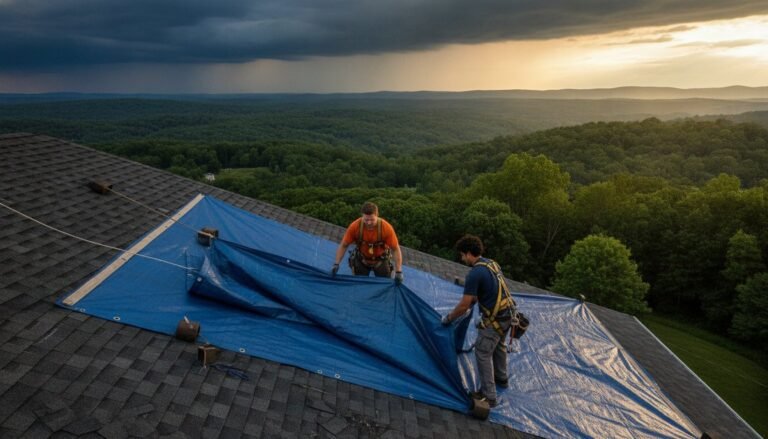
Filing a Roof Claim for Wind Damage: A Homeowner’s 2026 Guide
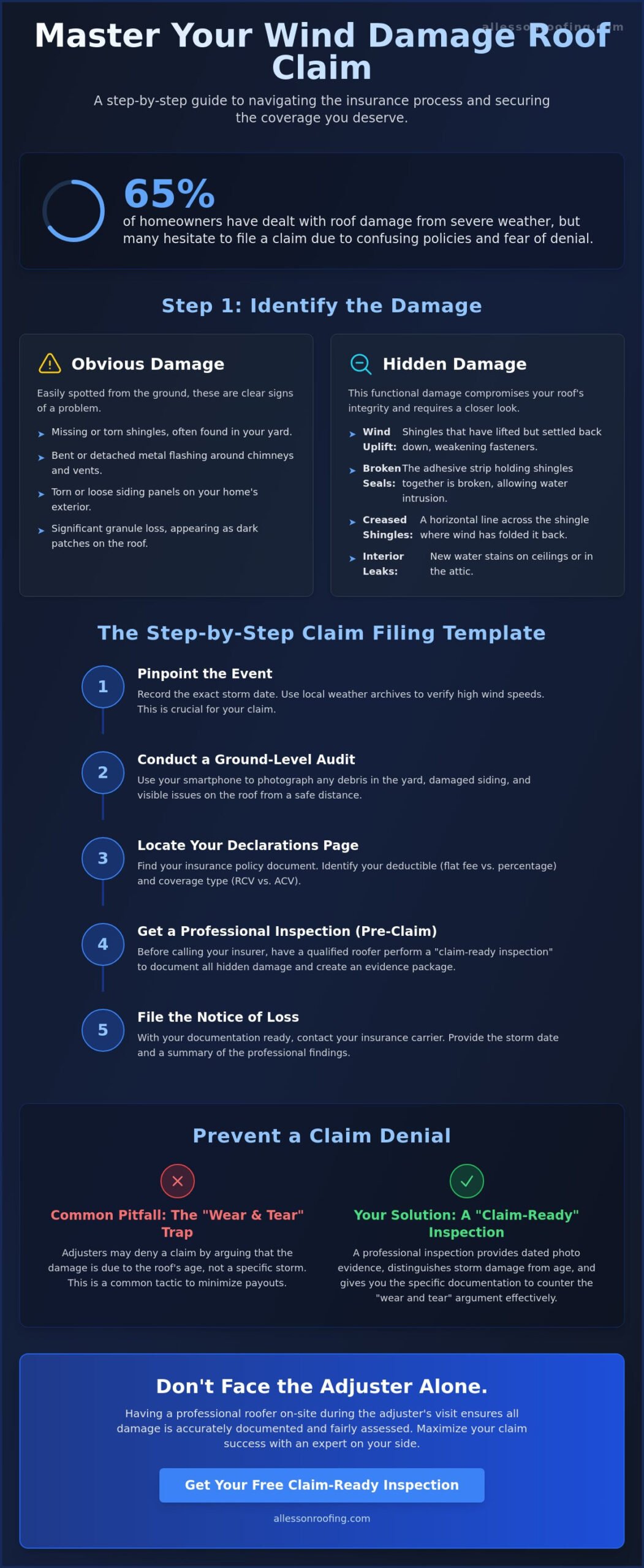
Did you know that 65% of homeowners have dealt with roof damage from severe weather, yet many hesitate when it comes to filing a roof claim for wind damage because they fear rising premiums? It’s common to feel stuck between confusing jargon like ACV and the reality of new percentage-based deductibles that can lead to high out-of-pocket costs in Pennsylvania. You want your home restored, but you don’t want to get buried in paperwork or have your claim denied because you missed a reporting deadline.
We believe the process should be transparent and manageable for our neighbors here in East Stroudsburg. This guide provides you with a professional step-by-step template to master your insurance claim so your roof gets the full coverage it deserves. We’ll walk you through documenting damage before the adjuster arrives, understanding local PA matching rules, and meeting the strict 2026 reporting timelines. By the end of this guide, you’ll have the confidence to manage the adjuster meeting and secure a restored roof with minimal stress.
Key Takeaways
- Learn how to spot the difference between obvious missing shingles and hidden “wind uplift” damage that still qualifies for coverage.
- Master our step-by-step template for filing a roof claim for wind damage, starting with a simple ground-level audit using your smartphone.
- Discover how to navigate the “wear and tear” trap that insurance adjusters often use to deny valid weather-related claims.
- Understand why a “claim-ready inspection” provides the specific documentation you need to succeed where a standard estimate might fail.
- Find out how having a professional roofer on-site during the adjuster’s visit ensures your damage is documented accurately and fairly.
Identifying Wind Damage: Is Your Roof Eligible for a Claim?
High winds in the Poconos don’t always leave behind a trail of obvious destruction. While a missing section of asphalt shingles is a clear sign of trouble, much of the damage caused by storms in East Stroudsburg is subtle. If you are considering filing a roof claim for wind damage, you first need to determine if the impact is functional or merely cosmetic. Insurance companies often look for reasons to minimize payouts; therefore, knowing exactly what to look for puts the power back in your hands.
The 2026 Poconos Storm Context
In our region, wind patterns can be unpredictable. Whether it’s a sudden microburst near Camelback Mountain or sustained gusts during a seasonal storm, your roof takes the brunt of the force. By 2026, many Pennsylvania insurance policies have shifted toward percentage-based deductibles for wind and hail. This means your out-of-pocket cost might be a percentage of your home’s total value rather than a flat fee. Before you reach out to your agent, check local weather archives to “date” the loss. Having a specific storm date is vital for a successful claim. If you’ve just discovered a leak, follow this step-by-step recovery guide to secure your home immediately.
Visible vs. Functional Wind Damage
Standard visual signs like missing shingles are easy to spot from the driveway. However, functional damage is often hidden from the naked eye. High winds can break the adhesive seal that bonds shingles together. Once this seal is broken, the shingles are “unsealed” and can no longer protect your home from driving rain. You might also notice “bruising” or significant granule loss, which accelerates the aging of your roof system.
Wind uplift is the structural lifting of shingles that compromises the water-shedding layer. This occurs when wind gets underneath the shingle, pulling it upward and weakening the fasteners. During a windstorm mitigation inspection, a professional can identify these lifted shingles even if they appear to be laying flat. This type of damage is a valid insurance concern because it leaves your roof vulnerable to the next storm.
Don’t forget to look for secondary damage around your property. High winds often cause siding tears or pull away chimney flashing, both of which are critical to your home’s envelope. If you see metal components bent or siding panels rattling, these should be included when filing a roof claim for wind damage. Documenting the full scope of the storm’s impact ensures you receive the coverage you’ve been paying for. Poconos storms frequently bring both high winds and hail simultaneously, so if you notice small dents or dimples on your shingles alongside wind damage, review our guide to hail damage roof repair to understand whether you may have a combined claim.
The Step-by-Step Template for Filing Your Wind Damage Claim
Once you’ve identified potential damage, the clock starts ticking. Successful filing a roof claim for wind damage depends on the quality of your documentation and the speed of your response. Use this chronological template to organize your evidence before you ever pick up the phone to call your insurance agent. This methodical approach helps prevent the common “lack of evidence” denials that frustrate so many homeowners.
- Step 1: Pinpoint the Event. Record the exact date and approximate time the high-wind event occurred. Use local weather apps or news reports to verify wind speeds in your specific neighborhood.
- Step 2: The Ground-Level Audit. Grab your smartphone and walk the perimeter of your home. Look for shingles in the yard, bits of metal flashing, or “chatter” marks where shingles have repeatedly slapped against the roof deck.
- Step 3: Locate Your Declarations Page. This document summarizes your coverage limits. Look specifically for whether you have RCV or ACV coverage, as this dictates your final payout.
- Step 4: Get a Professional Opinion. Contact a local expert to perform a pre-claim inspection. They can identify technical issues like “unsealed” shingles that you might miss from the ground.
- Step 5: File the Notice of Loss. Contact your carrier to formally start the process. Provide your storm date and a brief summary of the evidence you’ve gathered.
Your Evidence Collection Checklist
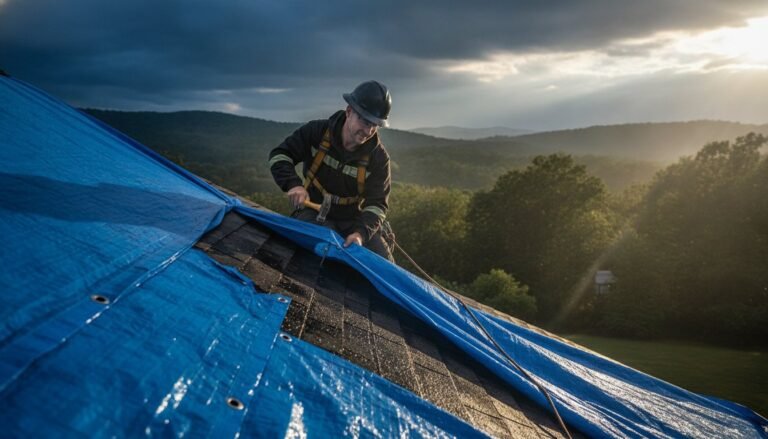
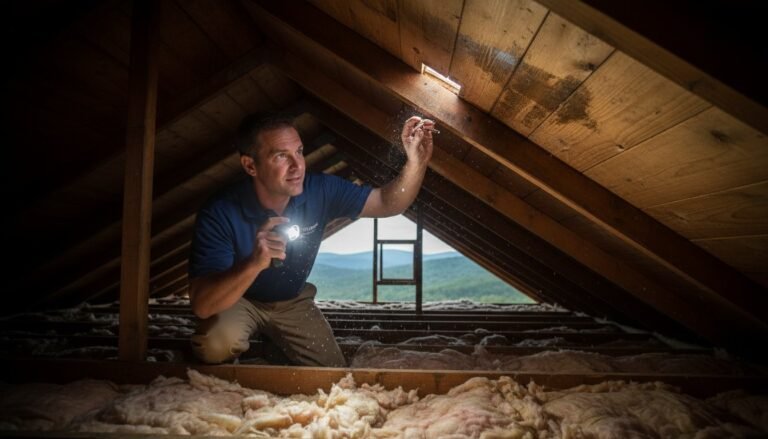
Insurance adjusters respond best to clear, visual proof. Start by photographing any debris in your yard, such as asphalt shingle tabs or torn siding. Don’t forget related property damage; photos of downed trees or broken fences help prove the severity of the wind. If a fallen limb caused structural issues, refer to our guide on tree damage roof repair for specialized steps. Finally, check your attic and upper-floor ceilings for fresh water stains. These internal signs are often the “smoking gun” that proves the roof’s integrity was compromised during the storm. If your roof has been breached and water is actively entering your home, arranging a professional emergency roof tarping service can stop further water damage while your claim is being processed.
Understanding Your Policy Limits
Before the adjuster arrives, you need to understand how much the insurance company is actually obligated to pay. Your “net” payout is determined by your coverage type and your deductible. Most Pennsylvania policies follow one of these two structures:
Replacement Cost Value (RCV): The insurer pays the full cost to replace your roof at today’s market prices, minus your deductible.
Actual Cash Value (ACV): The insurer pays a depreciated amount based on the age and condition of your roof. If your roof is 15 years old, an ACV payout will be significantly lower than the cost of a new installation.
Remember that in Pennsylvania, you typically have one year from the date of loss to file your claim. Waiting too long makes it easier for the carrier to argue that the damage was caused by normal wear and tear rather than a specific storm. To ensure your documentation is claim-ready, you can schedule a professional pre-claim inspection with our team to review your roof’s condition first.
Why Wind Damage Claims Get Denied (And How to Prevent It)
Even with clear evidence, filing a roof claim for wind damage can result in a denial. Insurance adjusters are trained to look for pre-existing conditions that shift the financial burden away from the carrier. One frequent hurdle is the “Cosmetic Damage” exclusion. Adjusters may argue that a creased or scuffed shingle is still shedding water and doesn’t require replacement. However, if the protective granule layer is compromised, the shingle’s lifespan is shortened, making it a functional failure that deserves coverage.
Countering the Wear and Tear Argument
Adjusters often point to the age of your roof as the primary cause of damage. They might label wind-torn shingles as “brittle” or “deteriorated” rather than storm-damaged. To prevent this, keep a folder of your home maintenance records. Providing original asphalt shingle installation receipts or photos from a previous inspection proves the roof was in good health before the storm hit. Insurance covers sudden accidental loss, not the gradual deterioration of materials over decades. The same principle applies when pursuing a hail damage roof repair claim, where adjusters frequently attempt to attribute shingle bruising to pre-existing wear rather than a specific storm event.
Another common pitfall is improper installation from a previous contractor. If your shingles were high-nailed or the flashing was poorly secured, the insurance company may deny the claim, citing “workmanship issues.” Beyond installation errors, adjusters often suggest a “partial repair” or a patch job for a few loose shingles. This is where the struggle for a full replacement begins, as a patch job rarely addresses the underlying structural integrity of a wind-damaged system.
Matching Issues and PA Law
Pennsylvania homeowners have a unique advantage when dealing with partial repair offers. If your shingles are no longer manufactured, a patch job will create a mismatched appearance. In PA, “line of sight” rules often dictate that if a matching material isn’t available, the insurance company must replace the entire slope or the whole roof to maintain a uniform look. A professional inspection report that identifies discontinued products is your best defense against a low-ball patch offer. This documentation forces the carrier to acknowledge that a partial fix is not a viable restoration of your property’s value.
If you have received a denial or a partial repair estimate that doesn’t feel right, contact us for a professional second opinion to review your claim’s documentation and provide a clear path forward.
Maximizing Your Claim: The Role of a Professional Inspection
A standard price estimate tells you how much a new roof costs, but it won’t help you much with your insurance carrier. For filing a roof claim for wind damage to be successful, you need a claim-ready inspection. This is a detailed technical report that documents every compromised shingle and damaged piece of flashing using the same standards adjusters use. We utilize industry-standard software like Xactimate to ensure our measurements and material costs align with insurance math. This alignment reduces friction and helps prevent the back-and-forth disputes that often delay claim approvals.
The Adjuster Meeting: Don’t Go It Alone
The adjuster’s visit is the most critical moment in the entire process. These professionals often have multiple inspections scheduled in a single day, which means they might move quickly. Having a seasoned roofer on-site ensures that nothing is overlooked. We act as your technical advocate, pointing out subtle “hidden” damage like wind uplift or compromised seals that are difficult to see from a ladder. This collaborative approach leads to a more accurate scope of work agreement before any repairs begin. If your home has an active leak, you should move forward with your emergency roof repair immediately to protect your property while the final claim details are being settled.
Next Steps for East Stroudsburg Homeowners
We take pride in being a dependable local authority for our neighbors in the Poconos. Our team understands the specific wind patterns that impact East Stroudsburg and how to document them effectively. We guide you through the entire journey, from the initial evidence gathering to the final shingle installation. Once your claim is approved, we transition from documentation to craftsmanship, ensuring your home is restored with high-quality materials and professional care. Don’t leave your home’s protection to chance when filing a roof claim for wind damage. Schedule your professional wind damage inspection today and let us provide the steady hand you need to navigate the process.
Secure Your Home’s Future and Restore Your Peace of Mind
Navigating the insurance world doesn’t have to be a solo effort. By identifying functional damage early and following a clear documentation template, you’ve already taken the most important steps toward a successful outcome. Remember that the key to filing a roof claim for wind damage is professional evidence that speaks the same language as your insurance carrier. Whether you are dealing with unsealed shingles or complex matching laws in Pennsylvania, having the right data makes all the difference.
We are here to help you move from claim approval to a finished project. Our team brings deep East Stroudsburg expertise in storm damage restoration and years of experience working directly with major insurance adjusters. We specialize in Poconos-ready asphalt shingle systems designed to withstand our local climate. Don’t let the paperwork or jargon stand in the way of your home’s protection. Get expert help with your wind damage claim today and let us handle the technical details while you focus on getting back to normal. Your roof is your home’s first line of defense; let’s make sure it’s a strong one.
Frequently Asked Questions
Will my home insurance premiums go up if I file a wind damage claim?
Filing a single weather-related claim typically won’t cause your individual premiums to spike immediately. Since wind damage is considered an “act of God,” most insurance companies don’t penalize you for events beyond your control. However, if a major storm impacts the entire East Stroudsburg area, the insurance company might adjust regional rates for everyone. It’s always best to review your specific policy language or speak with your agent to understand their rating structure.
How much wind is needed to damage an asphalt shingle roof?
Most asphalt shingles are rated for high winds, but damage can begin at speeds as low as 50 to 60 miles per hour. At this level, older or poorly installed shingles may start to lift or lose their adhesive seal. Once gusts reach 70 to 90 miles per hour, you are likely to see significant shingle loss or structural issues. Even if you don’t see shingles in your yard, these speeds can cause the “wind uplift” mentioned earlier.
What if the insurance adjuster says the damage is only “cosmetic”?
You should challenge an adjuster’s “cosmetic” label if the damage compromises the roof’s long-term performance. While a scuffed shingle might look like a minor issue, any loss of protective granules or a broken seal is functional damage. This type of impact shortens the lifespan of your roof and leads to leaks. We recommend having a professional contractor provide a technical report that proves the integrity of the material has been compromised before finalizing your claim.
Can I choose my own roofing contractor for insurance repairs in PA?
Yes, you have the absolute right to choose any roofing contractor you trust for your repairs in Pennsylvania. Your insurance company might suggest a “preferred provider,” but you aren’t obligated to use them. Choosing a local expert who understands Poconos weather ensures that your new asphalt shingle installation meets the specific needs of our climate. We always suggest working with a partner who is willing to meet the adjuster on-site to advocate for your home’s needs.
What happens if the insurance check is lower than the contractor’s estimate?
This is a common situation that is usually resolved through a process called “supplementing.” If the initial check is lower than the actual cost of repairs, your contractor can submit additional documentation and photos to the insurer to cover the difference. When filing a roof claim for wind damage, using a contractor who utilizes Xactimate software helps ensure that both parties are looking at the same material and labor rates. This transparency makes it much easier to bridge the gap between the estimate and the final payout.
How long do I have to file a roof claim after a wind storm in East Stroudsburg?
In Pennsylvania, most policies allow you up to one year from the date of the storm to report the loss. However, you should aim to notify your carrier as soon as you discover the damage. Waiting too long makes it difficult to prove that the wind event caused the specific issues you are seeing. For homeowners in East Stroudsburg, reporting within the first few weeks is the best way to ensure a smooth process and avoid the “wear and tear” denial.